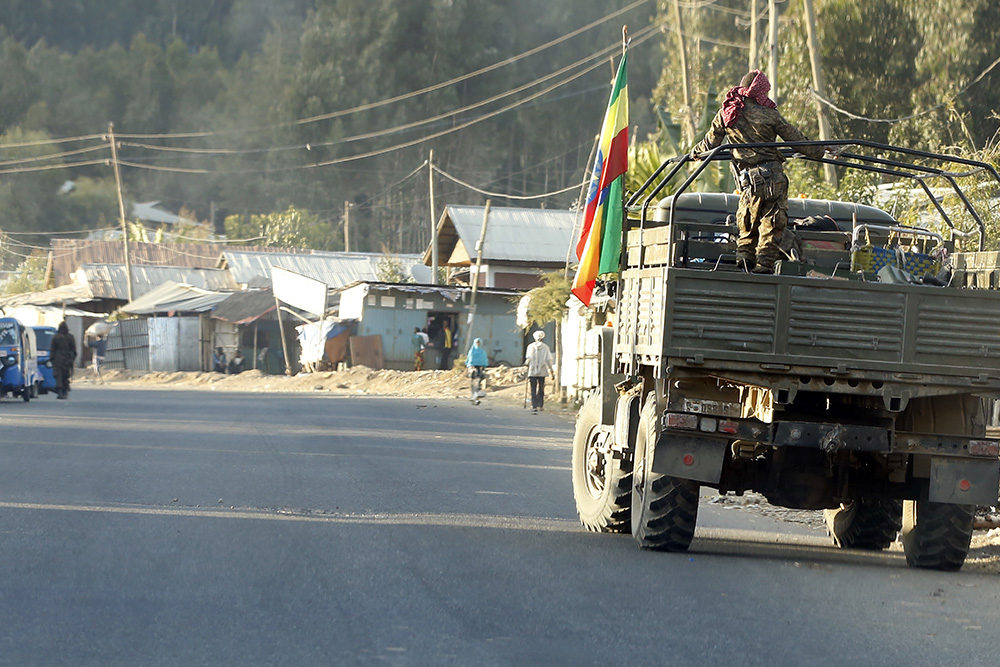
Nearly four years after the Pretoria Agreement ended the war in northern Ethiopia’s Tigray region, large-scale fighting has resumed between federal forces and the TPLF and its allies
From the Sicarii to the Islamic State: A Five-Generation Framework for the Evolution of Terrorism ABSTRACT Terrorism has passed through five generations, and the fifth is already upon us. For …
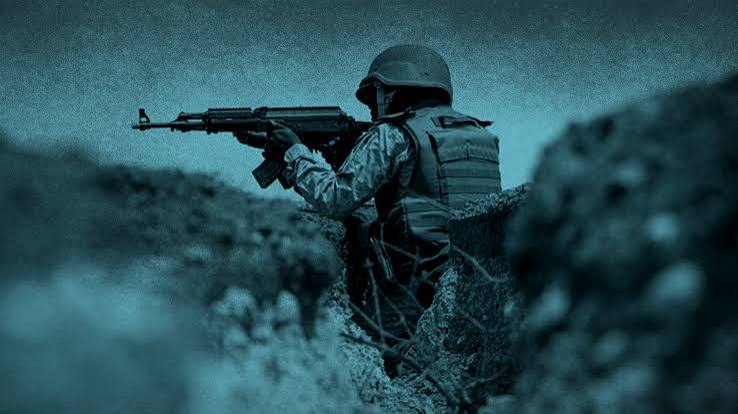
Twenty-five years after 9/11 recast the Horn of Africa as a front line in a global campaign, the honest verdict is neither victory nor defeat. The counterterrorism effort has prevented …
Across the Horn of Africa comprising Ethiopia, Somalia, Eritrea, and Djibouti governance trajectories over the past decade reveal a growing tension between democratic aspirations and security imperatives
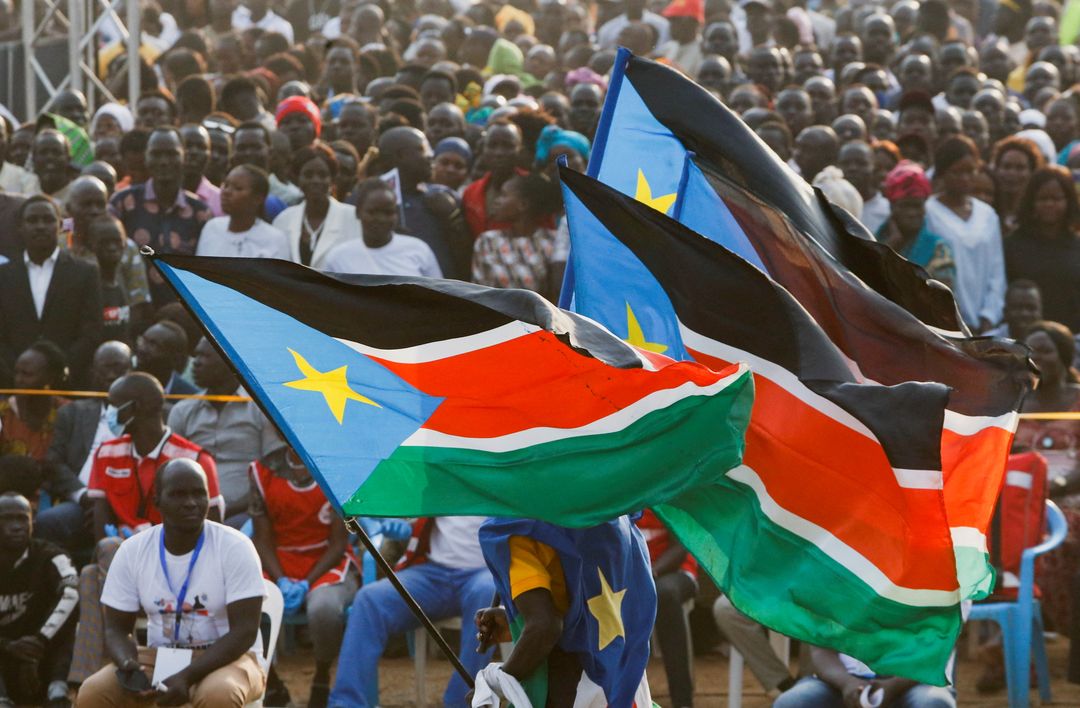
Introduction On 9 July 2026, South Sudan marked fifteen years since it seceded from Sudan to become Africa's youngest state. The anniversary invites celebration, but it also demands sober reckoning. …
Kenya approaches every general election carrying the memory of 1992, 1997 and, above all, 2007. Each cycle since the return of multiparty politics has tested the country’s institutions
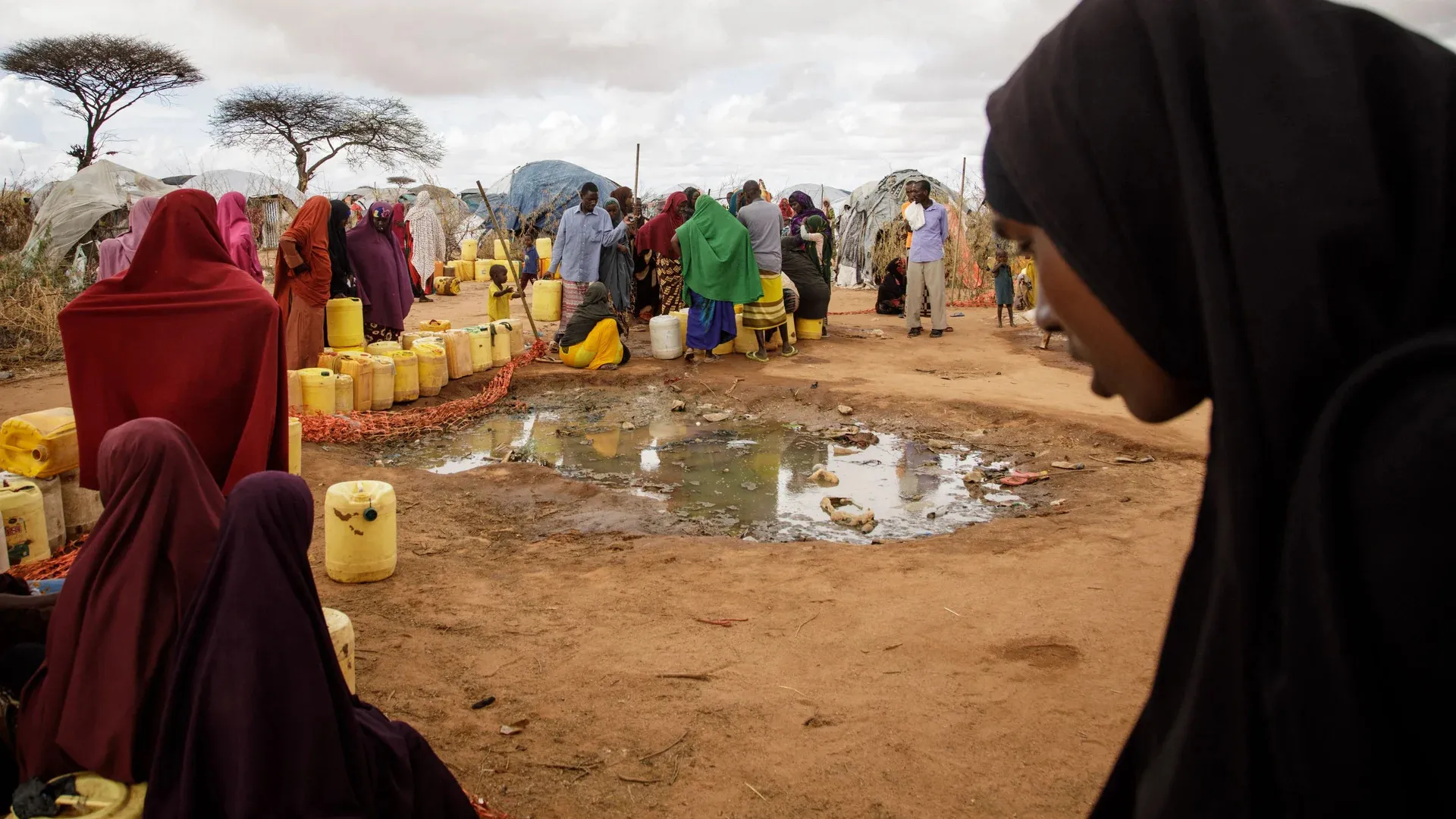
Pastoralism remains one of the most important livelihood systems in the Horn of Africa, supporting millions of people through livestock keeping and small-scale agriculture
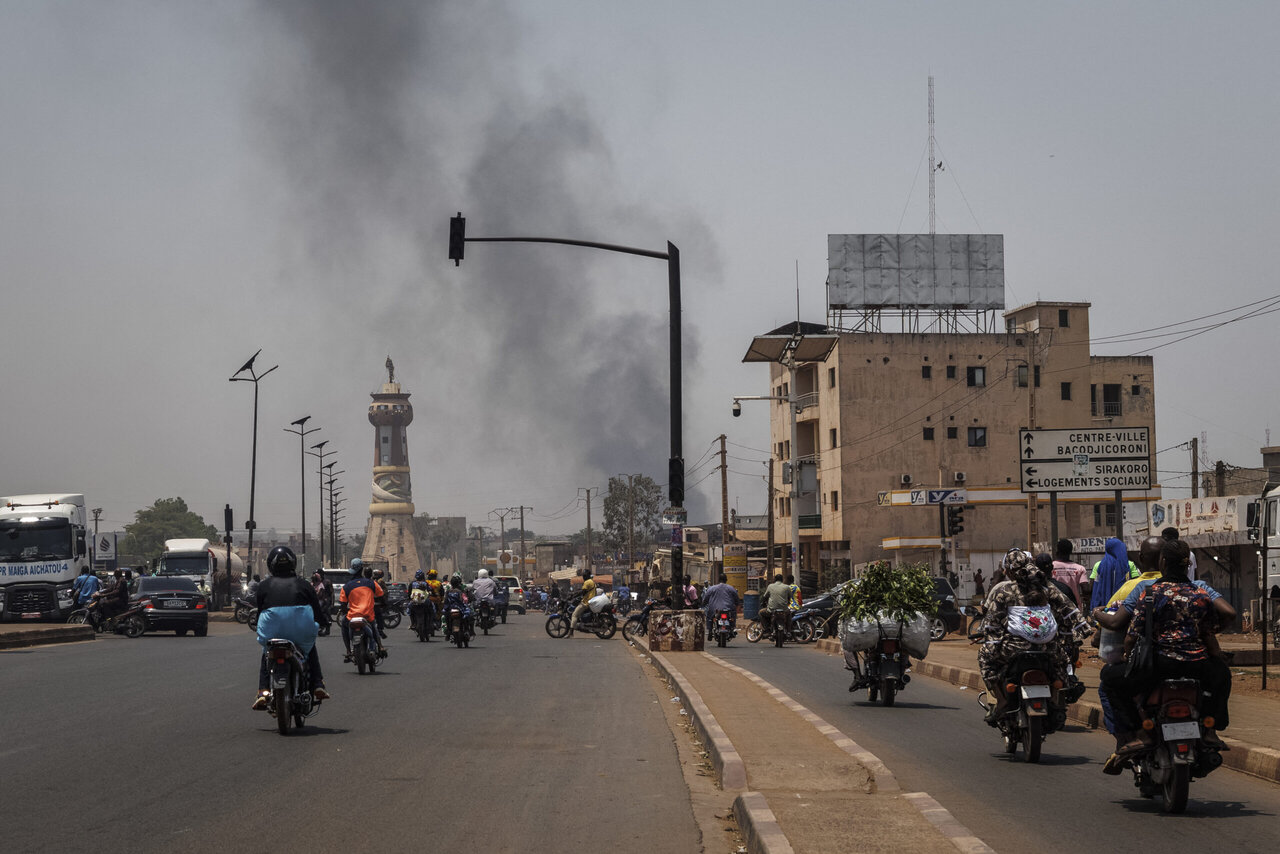
On 25 April 2026, jihadist armed group Jama’at Nusrat al-Islam wal-Muslimin (JNIM) and the Tuareg Azawad Liberation Front (FLA) launched coordinated attacks