

Six dedicated centres shaping analysis and policy across the Horn of Africa
Objective and independent insights and analysis featured across national and international media
Evidence-based advisory services to support informed decision-making
Evidence-based advisory services to support informed decision-making
Evidence-based advisory services to support informed decision-making
Nine Strategic Programs Designed to Analyse, Influence and Shape the Future of the Horn of Africa
Nine Strategic Programs Designed to Analyse, Influence and Shape the Future of the Horn of Africa
Nine Strategic Programs Designed to Analyse, Influence and Shape the Future of the Horn of Africa
A leading think tank driving research, policy, and regional dialogue
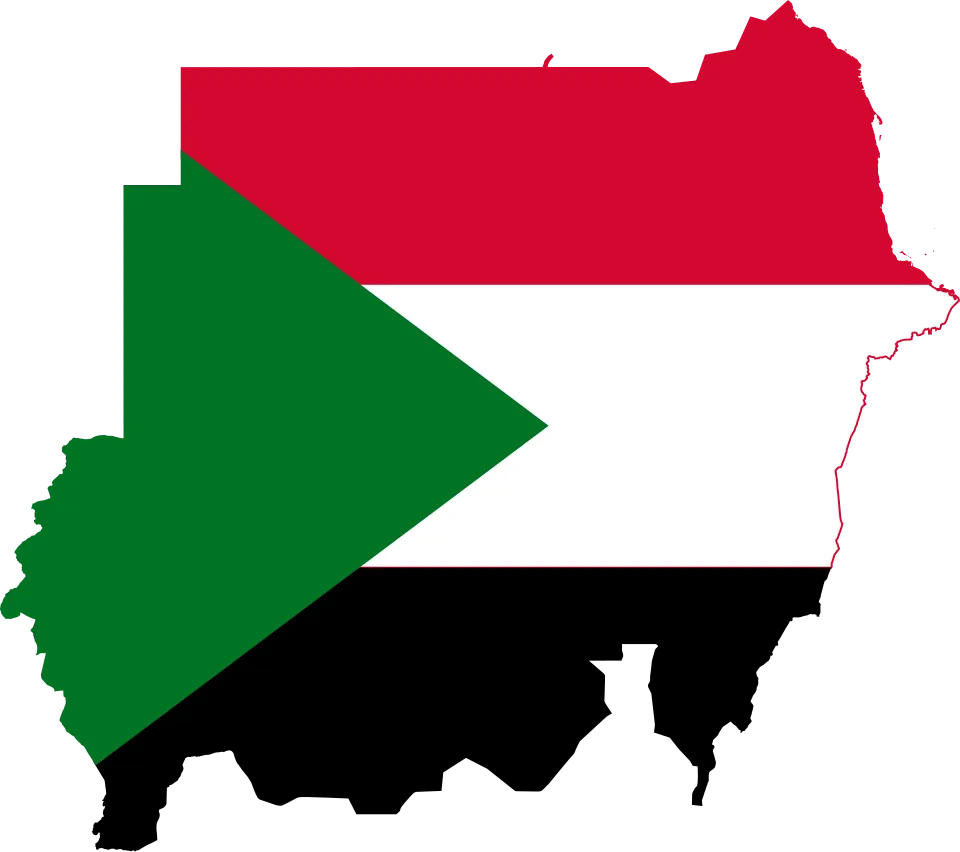
Sudan
Capital | Khartoum
Independence | 1 January 1956
Official Languages | Arabic, English
1,886,068 km²
Total area
USD 44.6
GDP
USD 863.89
GDP per Capita
Sudanese Pound (SDG)
Currency
Islam
Main Religion
Membership to Regional Organisations
IGAD, AU, COMESA
Regional Significance
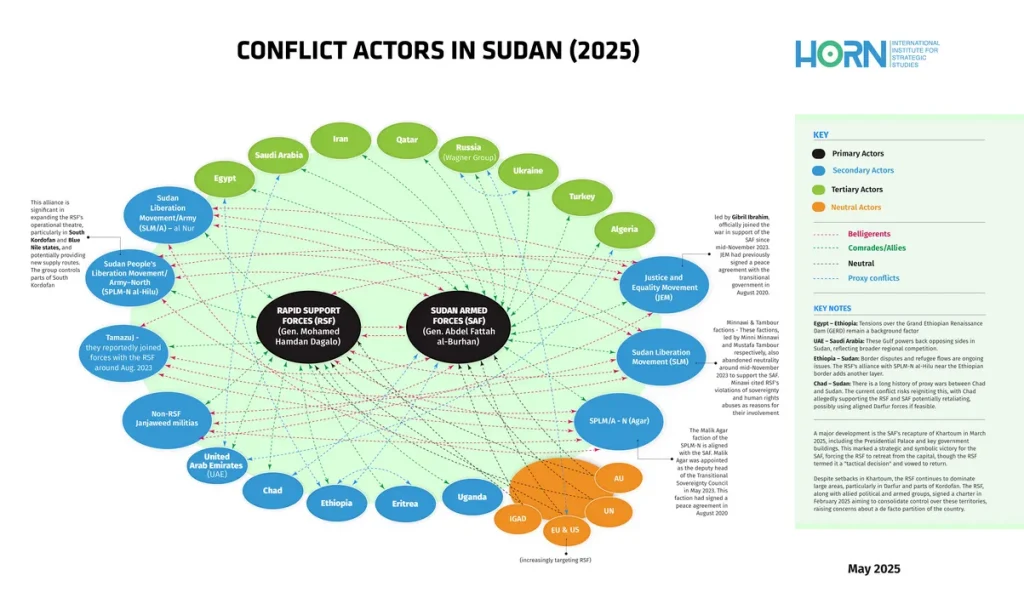
Sudan is a strategic country in the Horn of Africa linking the Sahel, North Africa, the Horn of Africa, and the wider Middle East. Its location along the Red Sea shapes key regional transport corridors and broader connectivity across these regions. The ongoing war in the country has further elevated Sudan’s geopolitical significance due to its destabilising effects on regional security, trade, and the humanitarian crisis, resulting in large-scale refugee flows and spillover pressures across neighbouring states.
Key Challenges
Interesting Facts
There are more than 200 pyramids in Sudan, nearly double those in Egypt (118). The ancient Nubian civilisation, formerly the Kingdom of Kush, built them along the Nile as tombs for kings, queens, and wealthy citizens.