RESEARCH AREAS

Our Centres

Six dedicated centres shaping analysis and policy across the Horn of Africa

Defense & Security

Governance, Statecraft & Conflict Management

Transnational Crimes & Strategic Threats

Diplomacy & Foreign Relations

Terrorism, Violent Extremism & Radicalization

Climate Change, Migration & Development

MEDIA

HORN Media

Objective and independent insights and analysis featured across national and international media

HORN in the Media

News & Features

Video Gallery

Recordings

Blogs

Research commentary

Photo Gallery

Events & fieldwork

Podcasts

Analyst conversations

Print

Bulletin print

FEATURED

HORN Services

Evidence-based advisory services to support informed decision-making

LATEST BULLETIN

Publications

Research That Informs Policy and Practice

REGIONAL FOCUS

Somalia & Somaliland
Monitor

Evidence-driven analysis shaping policy and security across 13 countries

Featured

Programs

Nine Strategic Programs Designed to Analyse, Influence and Shape the Future of the Horn of Africa

Featured

Programs

Nine Strategic Programs Designed to Analyse, Influence and Shape the Future of the Horn of Africa

2026 EVENTS

BY TYPE

REGISTER

Security Dialogue 2026

12 March 2026, Nairobi, Kenya

RECENT

ARCHIVE

ARCHIVE

Join the Conversation

Engage with our events, dialogues, and discussions

Founded in 2017 · Nairobi

About HORN

A leading think tank driving research, policy, and regional dialogue

Support Research

Help Sustain HORN's Mission

Partner or donate to keep HORN independent

Menu
Menu

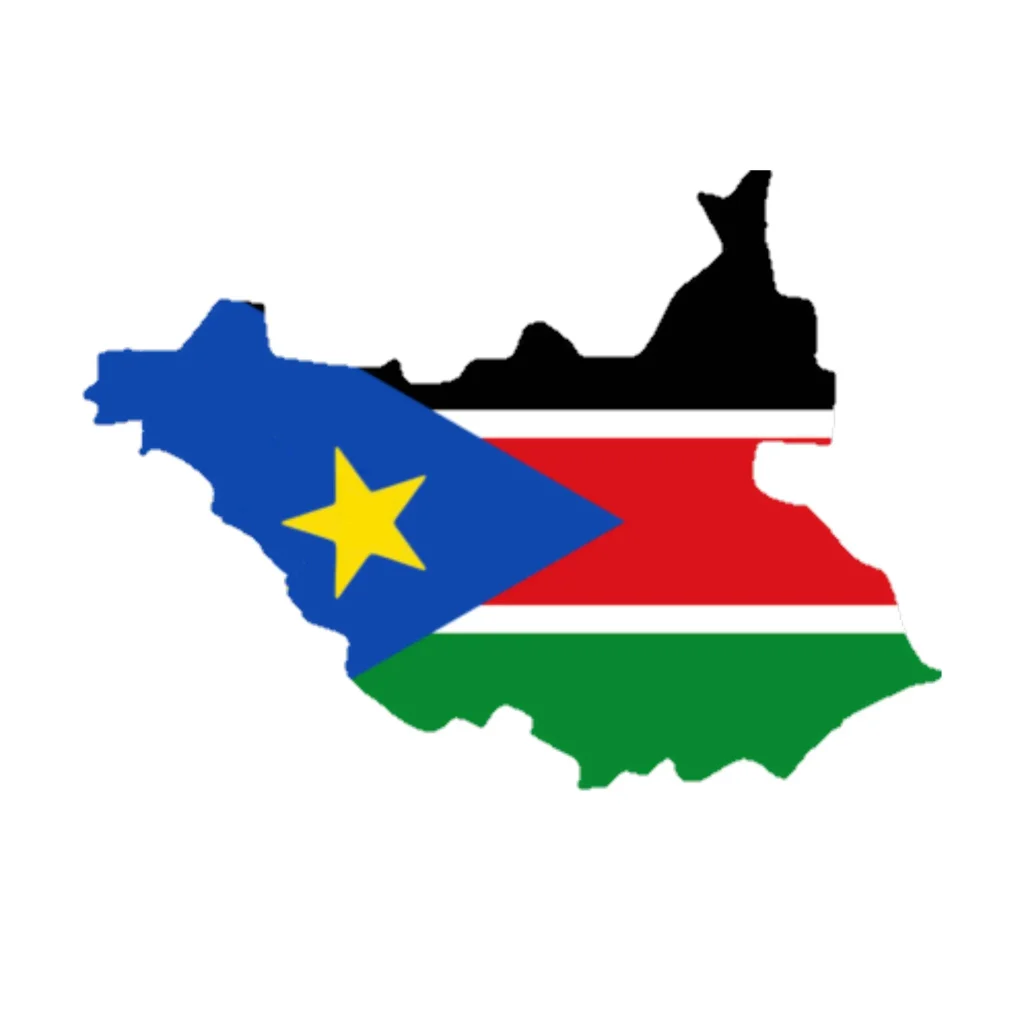
South Sudan

Capital | Juba

Independence | 9 July 2011

Official Languages | English

~12.7 million
Population

644,329 km²
Total area

USD 6 billion
GDP

USD 488
GDP per Capita

South Sudanese Pound (SSP)
Currency

Christianity
Main Religion

Membership to Regional Organisations

IGAD, EAC, AU, COMESA

Regional Significance

South Sudan holds major regional significance in the Horn of Africa due to its strategic position linking the Horn of Africa, East Africa, and Central Africa. Its oil resources are central to national revenue and also shape regional energy and infrastructure interests. Persistent insecurity in the country continues to generate refugee flows and broader security pressures across neighbouring states.

 Key Challenges

  • Chronic conflict between ethnic militias and political factions despite 2018 peace deal
  • Catastrophic humanitarian crisis — over half the population in acute food insecurity
  • Oil export pipeline runs through Sudan, now at war — severe economic consequences
  • Delayed elections and incomplete R-ARCSS peace agreement implementation
  • Near-complete governance vacuum outside of Juba
  • Annual catastrophic flooding driven by climate change

 Interesting Facts

South Sudan’s oil must be exported via Sudan’s pipeline to Port Sudan — making it economically hostage to a country currently at war.