
RESEARCH AREAS

Our Centres

Six dedicated centres shaping analysis and policy across the Horn of Africa

Defense & Security

Governance, Statecraft & Conflict Management

Transnational Crimes & Strategic Threats

Diplomacy & Foreign Relations

Terrorism, Violent Extremism & Radicalization

Climate Change, Migration & Development

MEDIA

HORN Media

Objective and independent insights and analysis featured across national and international media

HORN in the Media

News & Features

Video Gallery

Recordings

Blogs

Research commentary

Photo Gallery

Events & fieldwork

Podcasts

Analyst conversations

Print

Bulletin print

FEATURED

HORN Services

Evidence-based advisory services to support informed decision-making

LATEST BULLETIN

Publications

Research That Informs Policy and Practice

REGIONAL FOCUS

Somalia & Somaliland
Monitor

Evidence-driven analysis shaping policy and security across 13 countries

Featured

Programs

Nine Strategic Programs Designed to Analyse, Influence and Shape the Future of the Horn of Africa

Featured

Programs

Nine Strategic Programs Designed to Analyse, Influence and Shape the Future of the Horn of Africa

2026 EVENTS

BY TYPE

REGISTER

Security Dialogue 2026

12 March 2026, Nairobi, Kenya

RECENT

ARCHIVE

ARCHIVE

Join the Conversation

Engage with our events, dialogues, and discussions

Founded in 2017 · Nairobi

About HORN

A leading think tank driving research, policy, and regional dialogue

Support Research

Help Sustain HORN's Mission

Partner or donate to keep HORN independent

Menu
Menu

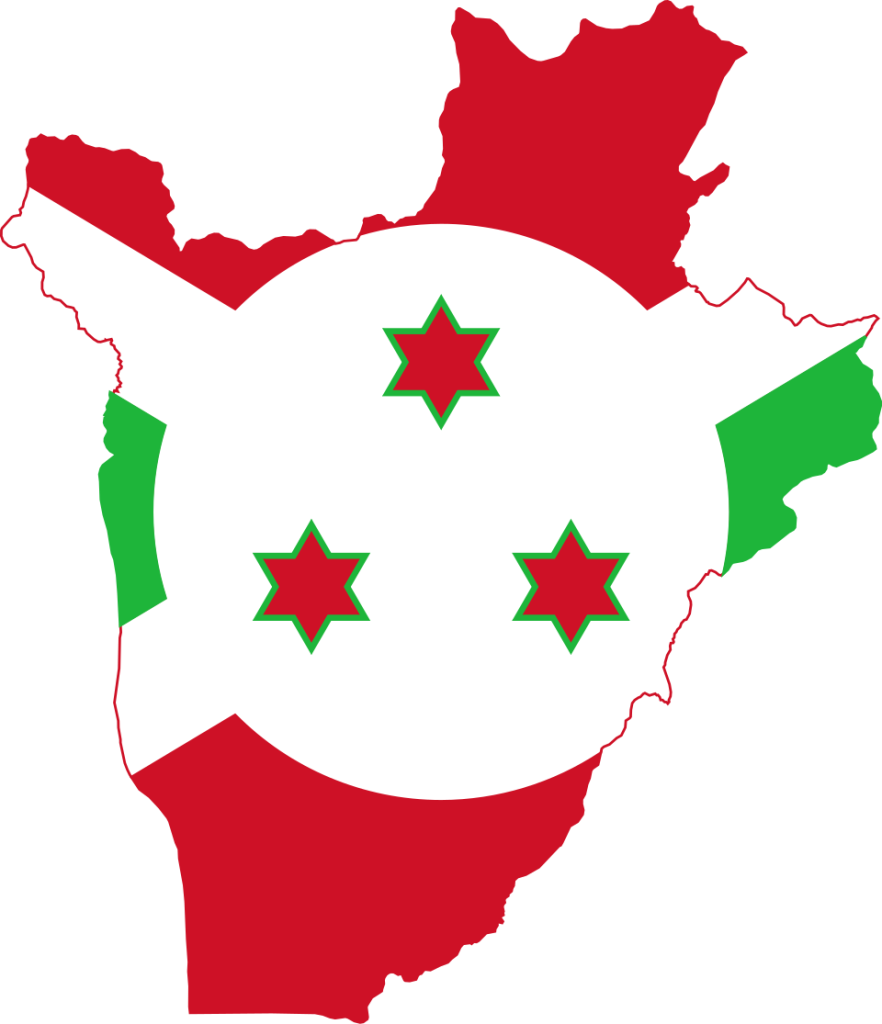
Burundi

Capital | Gitega (political) | Bujumbura (economic)

Independence | 1 July 1962

Official Languages | Kirundi, French, English

~14.4 million
Population

27,830 km²
Total area

USD 9.2 billion
GDP

USD 618
GDP per Capita

Burundian Franc (BIF)
Currency

Christianity
Main Religion

Membership to Regional Organisations

EAC, COMESA, AU, AfCFTA

Regional Significance

Burundi is a key geopolitical actor in the Great Lakes region due to its access to Lake Tanganyika, which connects it to regional transport and trade networks across the Great Lakes basin. Its proximity to conflict-affected areas in the eastern Democratic Republic of the Congo links it to cross-border insecurity and refugee movements within the wider Great Lakes security complex. Emerging production of nickel and coltan offers economic potential, though governance constraints continue to limit its impact.

 Key Challenges

  • Entrenched poverty with over 53% of the population below the poverty line
  • Ethnic tensions between Hutu and Tutsi communities
  • Hyperinflation and severe currency instability
  • Political repression and restricted civil society space
  • Spillover insecurity from the eastern DRC conflict

 Interesting Facts

Burundi is one of the most densely populated countries in Africa despite its small size, with 90% of the workforce in subsistence agriculture.