RESEARCH AREAS

Our Centres

Six dedicated centres shaping analysis and policy across the Horn of Africa

Defense & Security

Governance, Statecraft & Conflict Management

Transnational Crimes & Strategic Threats

Diplomacy & Foreign Relations

Terrorism, Violent Extremism & Radicalization

Climate Change, Migration & Development

MEDIA

HORN Media

Objective and independent insights and analysis featured across national and international media

HORN in the Media

News & Features

Video Gallery

Recordings

Blogs

Research commentary

Photo Gallery

Events & fieldwork

Podcasts

Analyst conversations

Print

Bulletin print

FEATURED

HORN Services

Evidence-based advisory services to support informed decision-making

LATEST BULLETIN

Publications

Research That Informs Policy and Practice

GREAT LAKES REGION

GREATER HORN OF AFRICA

REGIONAL FOCUS

Somalia & Somaliland
Monitor

Evidence-driven analysis shaping policy and security across 13 countries

Featured

Programs

Nine Strategic Programs Designed to Analyse, Influence and Shape the Future of the Horn of Africa

Featured

Programs

Nine Strategic Programs Designed to Analyse, Influence and Shape the Future of the Horn of Africa

2026 EVENTS

BY TYPE

REGISTER

Security Dialogue 2026

12 March 2026, Nairobi, Kenya

RECENT

ARCHIVE

ARCHIVE

Join the Conversation

Engage with our events, dialogues, and discussions

Founded in 2017 · Nairobi

About HORN

A leading think tank driving research, policy, and regional dialogue

Support Research

Help Sustain HORN's Mission

Partner or donate to keep HORN independent

Menu
Menu

Issue 28: Sudan Conference Policy Brief: From Crisis to Resolution Envisioning Sudan’s National, Geopolitical and Security Pathways for Effective Intervention

Photo Credits: Envisioning-Sudans-National-Geopolitical-and-Security-Pathways
HORN Institute
Content by HORN Institute
Published January 20, 2026

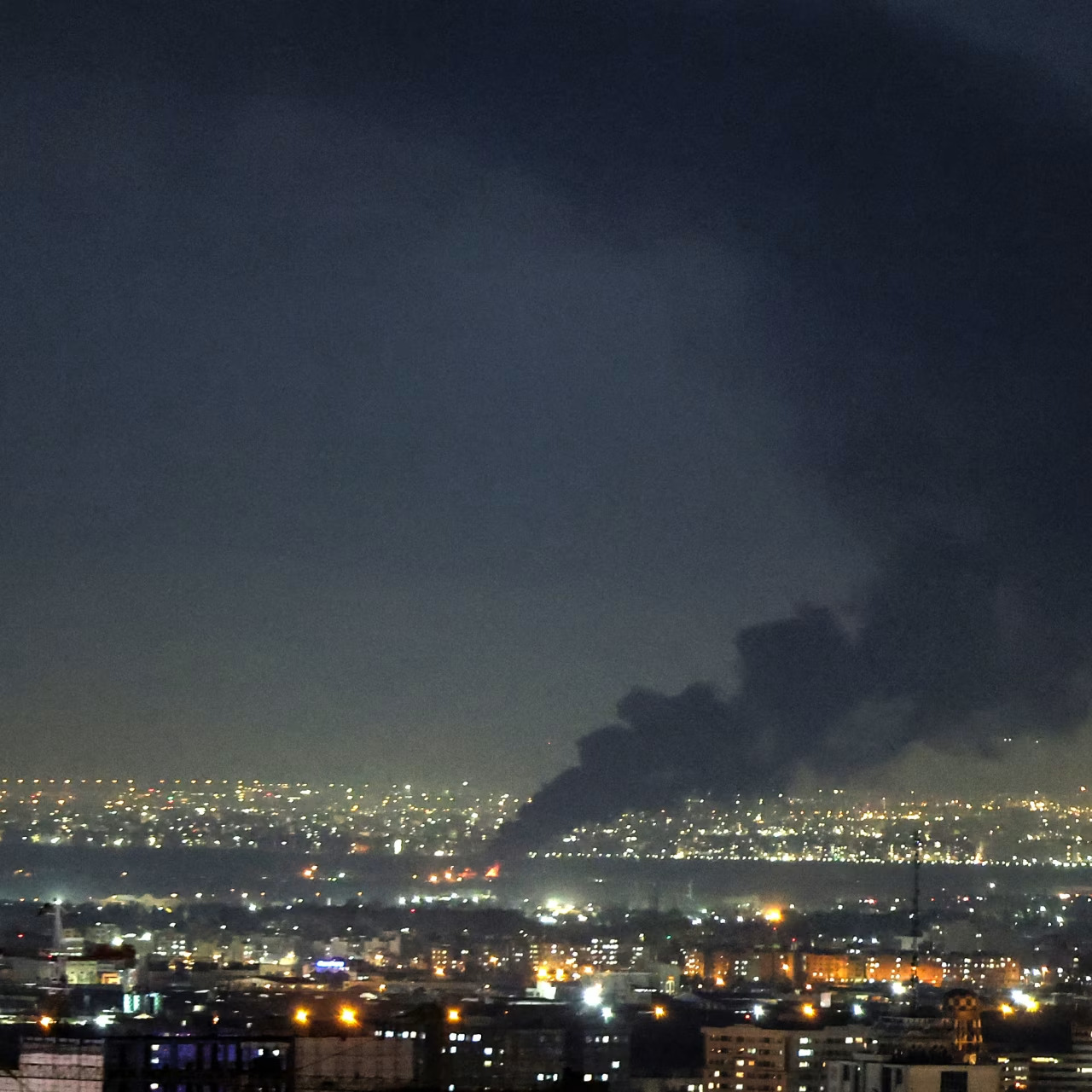
The armed conflict in the Republic of Sudan which broke out on April 15, 2023 has pushed Sudan to the brink of collapse. The fighting between the paramilitary Rapid Support Forces (RSF) led by General Mohammed Hamdan and the regular army, Sudan Armed Forces (SAF) led by General Fattah Al Burhan has had significant humanitarian impact while populations flee as refugees or Internally Displaced Persons (IDPs). The conflict is a major set-back to transition efforts aimed at reversion to democratic civilian government in Khartoum. In fact, the current conflict is a function of the transition crisis and subsequent fall-out between SAF and RSF over the implementation of security sector reforms, specifically the integration of forces timeframe and modality, as enshrined in the Juba Agreement of 2022.

The HORN International Institute for Strategic Studies is a non-profit, applied research and policy think-do tank focusing on research and providing evidence-based analysis and strategic interventions to address political, security, economic, and environmental challenges affecting the greater Horn of Africa region.

© 2026 by The HORN International Institute for Strategic Studies. All rights reserved.

HORN Institute
Independent policy think do tank dedicated to advancing informed analysis and practical policy solutions on peace, security, governance and development across the Horn of Africa and the Great Lakes region.

Related Articles

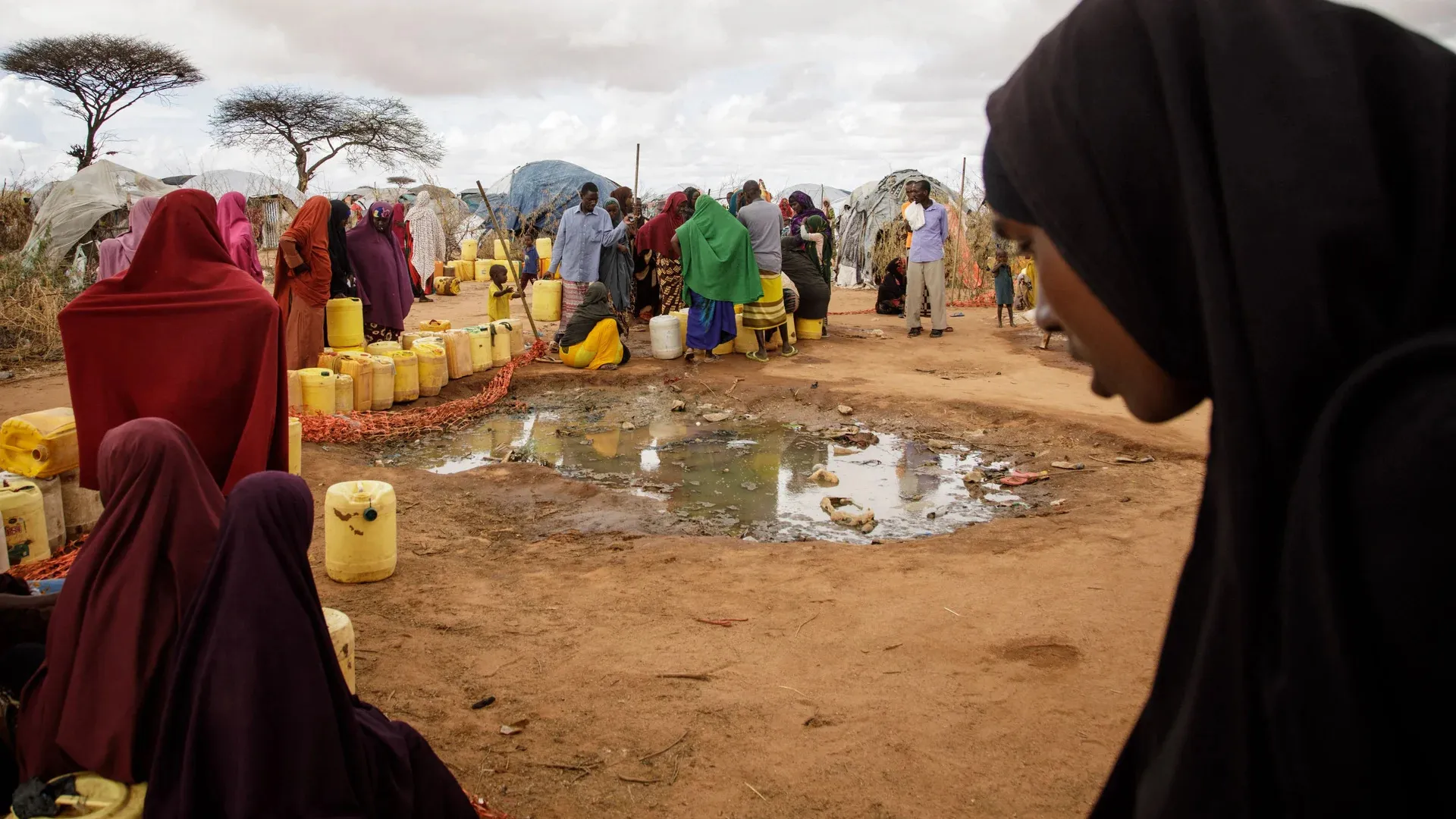
Drying Lands, Rising Conflicts: Climate Change and Pastoral Insecurity in the Horn of Africa

Pastoralism remains one of the most important livelihood systems in the Horn of Africa, supporting millions of people through livestock keeping and small-scale agriculture. Across countries such as Kenya, Ethiopia, Somalia, South Sudan, and Uganda, pastoral communities have historically survived harsh climatic conditions through mobility, communal grazing systems, and indigenous coping mechanisms. However, climate change …

By Edmond J. Pamba

The HORN Bulletin – Volume IX | Issue II | March-April 2026: The War in Iran: Lessons for African States Hosting Foreign Military Bases

Abstract The eruption of “Operation Epic Fury,” the joint United States–Israel campaign against Iran launched on February 28, 2026, has exposed a structural vulnerability that African states hosting foreign military bases can no longer ignore. Iran’s retaliatory strikes against US installations across nine Gulf states, none party to the conflict, demonstrate that hosting foreign military …

By Edmond J. Pamba