RESEARCH AREAS

Our Centres

Six dedicated centres shaping analysis and policy across the Horn of Africa

Defense & Security

Governance, Statecraft & Conflict Management

Transnational Crimes & Strategic Threats

Diplomacy & Foreign Relations

Terrorism, Violent Extremism & Radicalization

Climate Change, Migration & Development

MEDIA

HORN Media

Objective and independent insights and analysis featured across national and international media

HORN in the Media

News & Features

Video Gallery

Recordings

Blogs

Research commentary

Photo Gallery

Events & fieldwork

Podcasts

Analyst conversations

Print

Bulletin print

FEATURED

HORN Services

Evidence-based advisory services to support informed decision-making

LATEST BULLETIN

Publications

Research That Informs Policy and Practice

GREAT LAKES REGION

GREATER HORN OF AFRICA

REGIONAL FOCUS

Somalia & Somaliland
Monitor

Evidence-driven analysis shaping policy and security across 13 countries

Featured

Programs

Nine Strategic Programs Designed to Analyse, Influence and Shape the Future of the Horn of Africa

Featured

Programs

Nine Strategic Programs Designed to Analyse, Influence and Shape the Future of the Horn of Africa

2026 EVENTS

BY TYPE

REGISTER

Security Dialogue 2026

12 March 2026, Nairobi, Kenya

RECENT

ARCHIVE

ARCHIVE

Join the Conversation

Engage with our events, dialogues, and discussions

Founded in 2017 · Nairobi

About HORN

A leading think tank driving research, policy, and regional dialogue

Support Research

Help Sustain HORN's Mission

Partner or donate to keep HORN independent

Menu
Menu

De-escalating Ethiopia–Eritrea Tensions

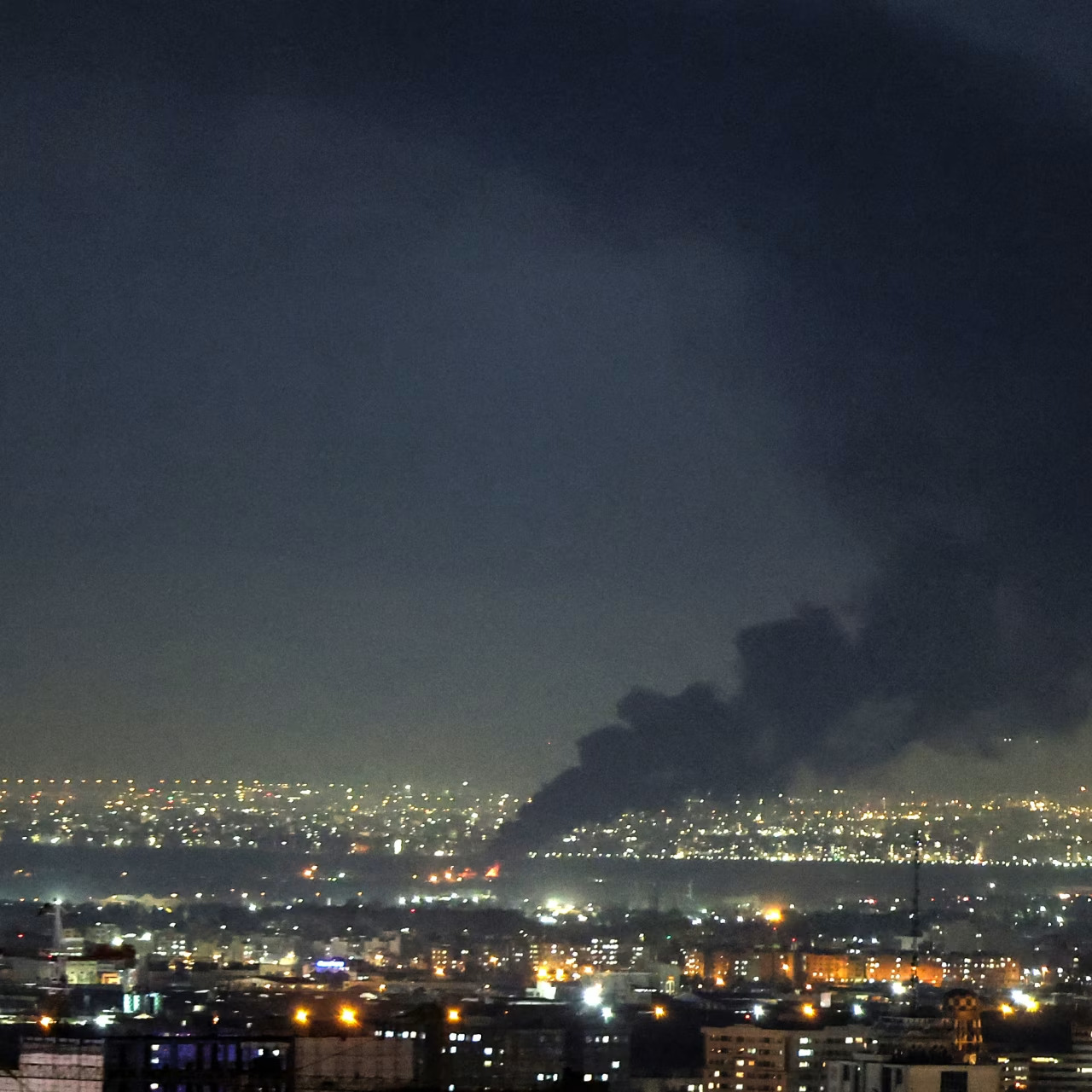
Photo Credits: Ethiopia-Eritrea
Published April 14, 2026

EXECUTIVE SUMMARY

The Horn of Africa confronts the credible prospect of a second Ethiopia–Eritrea war. Since late 2024, both states have mobilised troops, mechanized units and heavy equipment to their shared frontier of over 1,000 kilometres, exchanged formal diplomatic accusations at the United Nations, and embedded the dispute within an expanding web of regional rivalries linking Egypt, Sudan and the Gulf powers. Ethiopia accuses Eritrea of military encroachment into its northern territories and of channelling arms to insurgent groups, including factions of the Tigray People’s Liberation Front (TPLF) and Fano militias, to fracture federal authority. Eritrea, in turn, frames Ethiopia’s increasingly assertive quest for Red Sea access as an existentialist threat to its sovereignty and territorial integrity. Meanwhile, the Pretoria Agreement of November 2022, which ended the catastrophic Tigray conflict, remains incompletely implemented, and TPLF leaders have decried what they describe as a federal blockade and the non-fulfilment of key political and security commitments. This brief analyses the layered drivers of the current escalation and advances sharp, actionable recommendations to avert a war that would devastate civilian populations, destabilise the Red Sea corridor, and set back a decade of fragile regional integration.

The HORN International Institute for Strategic Studies is a non-profit, applied research and policy think-do tank focusing on research and providing evidence-based analysis and strategic interventions to address political, security, economic, and environmental challenges affecting the greater Horn of Africa region.

© 2026 by The HORN International Institute for Strategic Studies. All rights reserved.

Centers

EDMOND PAMBA 2
Edmond J. Pamba
Ag. Associate Director, Research, Innovation & Development

Related Articles

Drying Lands, Rising Conflicts: Climate Change and Pastoral Insecurity in the Horn of Africa

Pastoralism remains one of the most important livelihood systems in the Horn of Africa, supporting millions of people through livestock keeping and small-scale agriculture. Across countries such as Kenya, Ethiopia, Somalia, South Sudan, and Uganda, pastoral communities have historically survived harsh climatic conditions through mobility, communal grazing systems, and indigenous coping mechanisms. However, climate change …

By Edmond J. Pamba

The HORN Bulletin – Volume IX | Issue II | March-April 2026: The War in Iran: Lessons for African States Hosting Foreign Military Bases

Abstract The eruption of “Operation Epic Fury,” the joint United States–Israel campaign against Iran launched on February 28, 2026, has exposed a structural vulnerability that African states hosting foreign military bases can no longer ignore. Iran’s retaliatory strikes against US installations across nine Gulf states, none party to the conflict, demonstrate that hosting foreign military …

By Edmond J. Pamba