Bravin Onditi
December 5, 2024
The dust has settled on the twenty-ninth annual UN climate change conference (COP29), held in Baku, Azerbaijan, and the global climate community is taking stock of its outcomes. COP29 was a pivotal moment in the global climate action agenda. Nearly thirty years after the inaugural COP in Berlin, the world remains at a crossroads, striving to limit global warming to 1.5°C above pre-industrial levels. While Baku’s conference introduced new pledges and frameworks, the outcomes revealed persistent challenges and divisions that demand critical examination. The event was branded as the “Finance COP,” promising transformative progress in addressing climate resilience and mitigation. However, the results have left stakeholders questioning the efficacy of the process, as both structural inequities and the influence of fossil fuel interests undermined ambitious climate action. These challenges not only hindered progress but also underscored the deep divides between developed and developing nations in addressing the climate crisis.
Progress or Illusion?
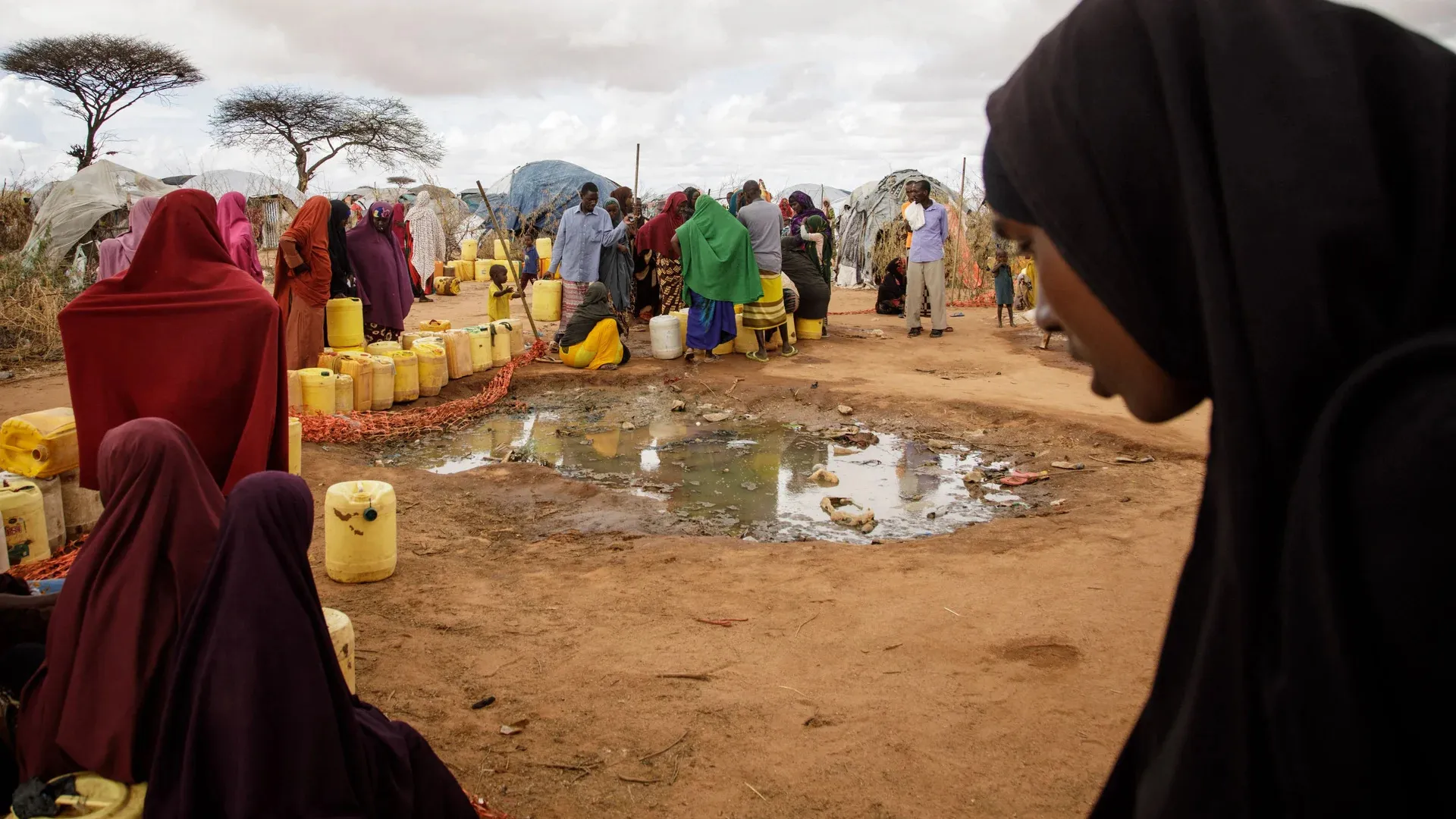
COP29 was expected to address the chronic underfunding of climate action in developing countries by setting a New Collective Quantified Goal (NCQG) to replace the previous $100 billion annual target established in 2009. Developed nations celebrated the agreement to provide $300 billion annually as a breakthrough, yet this figure paled in comparison to the $1.3 trillion demanded by developing countries and the $2.3 trillion annual investment needs projected for Emerging Markets and Developing Economies (EMDEs). Critics, including India, described the NCQG as inadequate and a glaring example of inequities in climate negotiations. Adjusted for inflation, the $300 billion figure is far from the real value needed, and the lack of non-debt-based mechanisms further undermines its utility for the most vulnerable nations. The watered-down language in the agreement, which assigns “leadership” rather than firm obligations to developed nations, reflects a dilution of responsibility. This failure to deliver meaningful finance exacerbates the vulnerability of developing nations, which are already bearing the brunt of climate change through economic losses estimated at $520 billion annually and rising poverty levels, with projections suggesting that over 100 million people could be pushed below the poverty line by 2030.
Amidst these, COP29 delivered incremental but notable progress in other areas. Australia’s $32.5 million pledge to the Loss and Damage Fund increased its total to $730 million, with distributions slated for 2025. The U.S. committed $325 million to the Climate Investment Fund, providing some optimism amidst broader financial uncertainties. On emissions, 30 countries, including the U.S., Nigeria, and Brazil, endorsed the “Reducing Methane from Organic Waste Declaration,” targeting methane emissions, a key contributor to global warming. Additionally, the Coalition on Phasing Out Fossil Fuel Incentives (COFFIS) expanded to 16 members, with plans to present a roadmap for phasing out subsidies at COP30. While these efforts mark progress, the stark financing gaps and systemic inequities evident at COP29 underscore the need for transformative action moving forward.
Fossil Fuel Influence: A Persistent Barrier
The influence of fossil fuel interests loomed large over the negotiations, with Azerbaijan, a major oil and gas producer, at the helm. President Ilham Aliyev’s public declarations celebrating fossil fuels as a “gift from God” and the overwhelming presence of over 1,700 fossil fuel lobbyists—far surpassing the representation of the ten most climate-vulnerable countries combined—undermined the conference’s credibility and objectives. This marked a continuation of the troubling trend of fossil fuel-producing states hosting COP conferences, as seen in the UAE for COP28. The outcome was a rollback of critical advancements made in Dubai, particularly concerning commitments to phase out fossil fuels. The absence of explicit language addressing fossil fuel transitions in the final agreements reflects a regression in global decarbonization efforts. This failure was compounded by Azerbaijan’s inability to foster a collaborative atmosphere, as procedural inefficiencies and bad faith negotiations deepened existing divides between developed and developing nations.
Challenges in Leadership and Trust
The NCQG discussions highlighted the broader inequities in climate finance. Developing countries stressed the need for non-debt-based funding mechanisms, arguing that saddling them with additional debt would hinder their ability to invest in climate resilience and adaptation. However, developed nations resisted these demands, pushing instead to broaden the contributor base to include middle-income countries. This impasse reflects the deep geopolitical divides that have long plagued international climate negotiations. A recent report revealed that the most climate-vulnerable nations spend twice as much on debt servicing as they receive in climate finance, a stark indicator of the systemic barriers these countries face in addressing the climate crisis. While COP29 sought to link climate finance to increased ambition in Nationally Determined Contributions (NDCs), developing countries expressed frustration at the lack of tangible progress, warning that insufficient financial backing would undermine their ability to submit more ambitious commitments ahead of the February 2025 deadline.
COP29 also revealed a growing erosion of trust between developed and developing nations, a challenge exacerbated by the venue and procedural shortcomings. The Azerbaijani government’s selection as host raised questions about the optics and priorities of the conference, particularly given the nation’s status as a petrostate. The resulting negotiations were marked by high tensions, further undermining the collaborative spirit needed to achieve meaningful outcomes. Calls for reforms to the COP process gained momentum, with figures such as Ban Ki-moon advocating for smaller, solution-oriented gatherings that prioritize implementation over negotiation. This reflects the broader dissatisfaction with the incremental progress achieved through the current framework.
Moving Forward: COP30 in Brazil
As the world turns its attention to COP30 in Brazil, the lessons from Baku must inform a more ambitious and inclusive approach. Brazil, as a global leader in biodiversity and climate advocacy, has the opportunity to rebuild trust and push for transformative action. The next conference must focus on establishing clear and equitable financial commitments, accelerating the transition from fossil fuels, and fostering genuine collaboration between nations. Only by addressing the systemic barriers and inequities exposed at COP29 can the international community hope to meet the scale of the climate challenge. The outcomes of COP29 serve both as a warning and a call to action: the time for incremental progress is over. The road to climate resilience demands bold, decisive steps that align with the urgency of the crisis at hand, prioritizing equity, accountability, and meaningful implementation, future COPs can move beyond procedural compromises and toward achieving the promises of the Paris Agreement and a sustainable future for all.
Photo Credits: Kiara Worth, UN Climate Change
Bravin Onditi is a Researcher at the HORN Institute