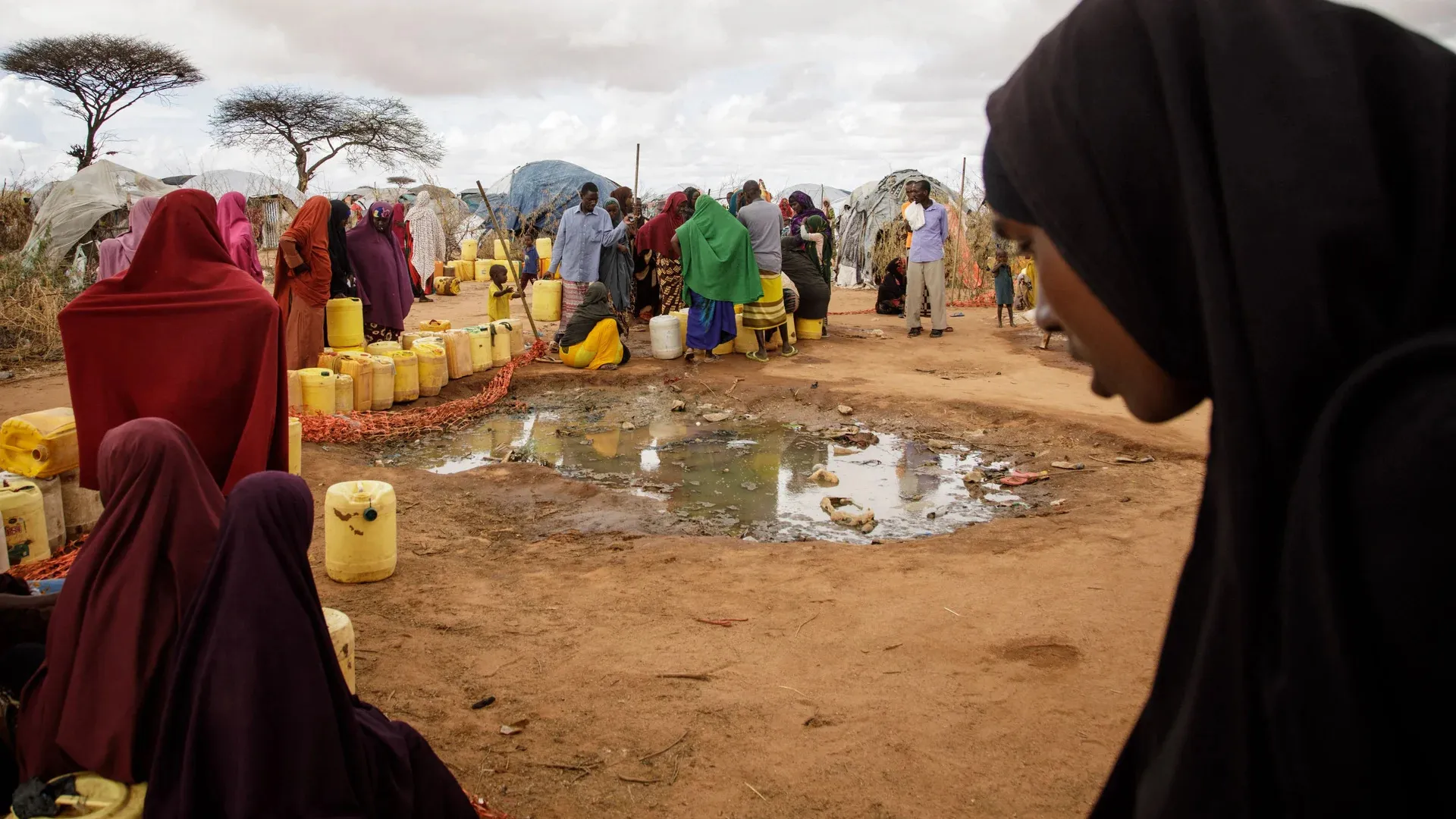
The Horn of Africa and Great Lakes region has long hosted some of the largest refugee populations globally, a trend that continues amid persistent conflict, political instability, and climate-related displacement. As of 2024, the Horn and Great lakes region hosted close to 4 million refugees and asylum seekers, with countries such as Uganda, Kenya, Ethiopia, and Tanzania hosting significant populations. Despite the significant role played by the host countries, some displaced populations continue to face precarious living conditions such as limited access to basic services, overcrowding while in the camps and more recently, targeted demolitions in the camps. Nyarugusu Refugee Camp has particularly drawn scrutiny in this regard, especially concerning conditions affecting Burundian refugees. Recent developments within the Burundian section of the camp raise important questions, particularly in relation to refugee protection under international law. These dynamics underscore the need for strengthened regional and national approaches that balance state interests with the protection and dignity of displaced populations.
History of the Nyarugusu Camp
Nyarugusu Refugee Camp was established in 1996 by the United Nations High Commissioner for Refugees (UNHCR) and the Government of Tanzania in response to an influx of refugees fleeing the first Congo War. In the years following, the camp predominantly hosted Congolese refugees but its demographic composition shifted significantly after the 2015 political crisis in Burundi, which led to the arrival of over 90,000 Burundian refugees seeking safety in Tanzania. Owing to its proximity to Burundi and recurring episodes of instability in the country, Nyarugusu has since continued to host a substantial Burundian refugee population alongside Congolese refugees. As of 2025, estimates by the UNHCR indicate that the camp accommodates approximately 133,000 refugees, making it one of the largest refugee camps in the region.
Constructive Refoulement
Recent developments in the camp raise important concerns regarding the protection of refugees under international law. From late December 2025, demolitions of refugee shelters and basic household structures, including kitchens, toilets, and homes started in the Burundian section of the camp. This happened in the wake of the destruction of close to 85 per cent of shelters in Nduta camp, which hosts a significant population of Burundian refugees. The demolitions in Nyarugusu camp have continued for weeks well into March 2026 directly contributing to precarious living conditions for the inhabitants. Besides the demolitions, the Burundi section of the camp has experienced reductions in food rations alongside the closure of schools and hospitals.
These conditions are not isolated but point to a broader pattern of pressured or involuntary repatriation. Since 2017, Burundian refugees in the camp have reportedly been encouraged by authorities to register for what is officially framed as voluntary repatriation. In November 2025, the Tripartite Commission on the Voluntary Repatriation of Burundian Refugees (comprised of the Governments of Burundi, Tanzania, together with UNHCR), further reaffirmed their commitment to accelerate the voluntary return of Burundian refugees from Tanzania to Burundi. The parties agreed to facilitating the return of up to 3,000 individuals per week, in full respect of the principles of voluntariness, safety, dignity, and international protection standards.
While repatriation of close to 200,000 Burundi refugees has taken place so far, the Government of Burundi has consistently promoted the narrative that the country is stable and conducive for the return of refugees. However, reports from human rights organizations, including Human Rights Watch, as well as refugee testimonies, point to a more complex and less assured reality. Many refugees remain reluctant to return, citing persistent concerns over security, restrictions on political freedoms, and limited socio-economic opportunities. Moreover, protection concerns have also extended beyond the point of return. Prior to repatriation, documented cases of enforced disappearances and abductions of Burundian refugees have been reported within camps in Tanzania. Such cases have been reported in the recent years, raising alarm over possible cross-border targeting and underscoring the vulnerabilities faced by refugees even within host country territory. Taken together, these findings raise important questions about whether conditions in Burundi sufficiently meet the standards established under international refugee protection frameworks.
State Interests versus International Legal Obligations
Burundi’s interest in shaping the narrative of stability may be understood, in part, as an effort to rehabilitate its image within the international community and reassert its legitimacy as a post-conflict state. This is particularly significant given its low ranking on global freedom indicators such as the Freedom House Freedom in the World Index, where Burundi is consistently classified among the “Not Free” countries, reflecting ongoing concerns around political rights and civil liberties. Furthermore, commitments made during the 26th Tripartite meeting of the Tripartite Commission which provide for channeling donor support toward reintegration efforts directly through the Burundi government makes maintaining large refugee populations in Nyarugusu and Nduta camps appear as a policy contradiction.
On the other hand, Tanzania has, since the mid-1990s, adopted a more restrictive and security-oriented refugee policy framework, marking a shift from its earlier, more open-door approach during the liberation era. This transition has been characterized by strict encampment policies and a strong policy preference for repatriation rather than reintegration. While the government justifies this stance on the basis of national security concerns and economic strain, such positions often appear to diverge from the perspectives of local host communities.
What Next?
While states retain the sovereign prerogative to define and pursue their national interests, such actions must remain consistent with international legal obligations. The 1951 Refugee Convention, particularly under the principle of non-refoulement (Article 33), prohibits the return of refugees to territories where their life or freedom would be threatened. To this end, it is important that;
- The Government of Tanzania considers stopping the demolition of shelters and the closure of essential services such as hospitals and schools in sections hosting Burundian refugees. Such actions undermine basic living conditions within refugee camps.
- UNHCR considers undertaking an independent and comprehensive assessment of the political and security situation in Burundi, with a view to identifying critical gaps that must be addressed prior to any large-scale repatriation.
These measures would help ensure that Burundian refugees are able to live in conditions that uphold their dignity and basic rights, while also creating a more credible and lawful pathway for facilitating their return.
Jeremy is a Researcher at the Horn Institute and Richard is an advocate of the High Courts of Kenya and Uganda.
Photo credits: United Nations Media