Since its break out in 2019, the novel coronavirus has plunged the world into the most serious global health crisis since Spanish flu in 1918. COVID-19 started in China and has incrementally spread to North America, swathes of Europe, and the Middle East. Despite its late entry into, and relatively slow spread in Africa, the coronavirus pandemic has jolted African governments into action. Stringent measures have been introduced given the rapid spread of the virus and its likely impact. Some of the measures taken include closure of borders, cancellation of international flights, strict quarantine measures, and lockdowns. While the healthcare systems and economy will be hit the hardest, implications for peace and security will be particularly profound. Among others, this article identifies peacekeeping, stabilization and humanitarian missions, counterterrorism, elections and diplomacy as some of the notable areas that will be affected.
The effects of the coronavirus are of particular concern for the IGAD region considering the fragility of most countries. The regional body has since responded by establishing a special IGAD taskforce on COVID-19 to collect information, learn and share best practices, developing policies and additional emergency response plans, and also provide regular updates through various communications platforms. In a message from the Executive Secretary on March 20, H.E. Workneh Gebeyehu stated that the organization is “taking active measures to protect staff members, families, communities” but expressed that it is still too early to establish the extent of the effect of COVID-19 in the region. As of April 16, 2020, confirmed cases in the IGAD region stood at 591 in Djibouti (2 deaths); 234 in Kenya (11 deaths); 92 in Ethiopia (3 deaths); 80 in Somalia (5 deaths); 55 in Uganda (no deaths reported); 35 in Eritrea (no deaths reported); 32 in Sudan (5 deaths); and four cases in South Sudan (no deaths reported). South Sudan was one of the last countries on the continent to report a case.
- Peacekeeping
Peacekeeping operations are likely to be hit directly. The three active peacekeeping missions in the region – AMISOM in Somalia; UNMISS in South Sudan; and UNMIS in Sudan – will be moderately to severely affected given the rotational nature of their operations. Travel restrictions, quarantine measures and closure of borders present a challenge to their operations as this is likely to prompt prolonged tours of duty for the current troops in the field. This may impact on their efficiency. Delayed rotation has already been experienced in South Sudan after the UN Department of Peace Operations on March 6, 2020 announced that nine contributing countries have delayed their replacements for three months due to the coronavirus.
- Stabilization
Stabilization efforts by peacekeeping operations are also likely to be affected. The lockdown and quarantine measures mean that engaging with civilians will have to be halted given the virulent nature of the virus. For instance, AMISOM, whose main task involves constant contact and communication with the Somalia public, may have to stop forthwith or change their strategy in order to curtail the spread of coronavirus among themselves, and the public. Somalia has already confirmed more than 80 COVID-19 cases and the government had already banned all international flights and public gatherings.
- Humanitarian missions
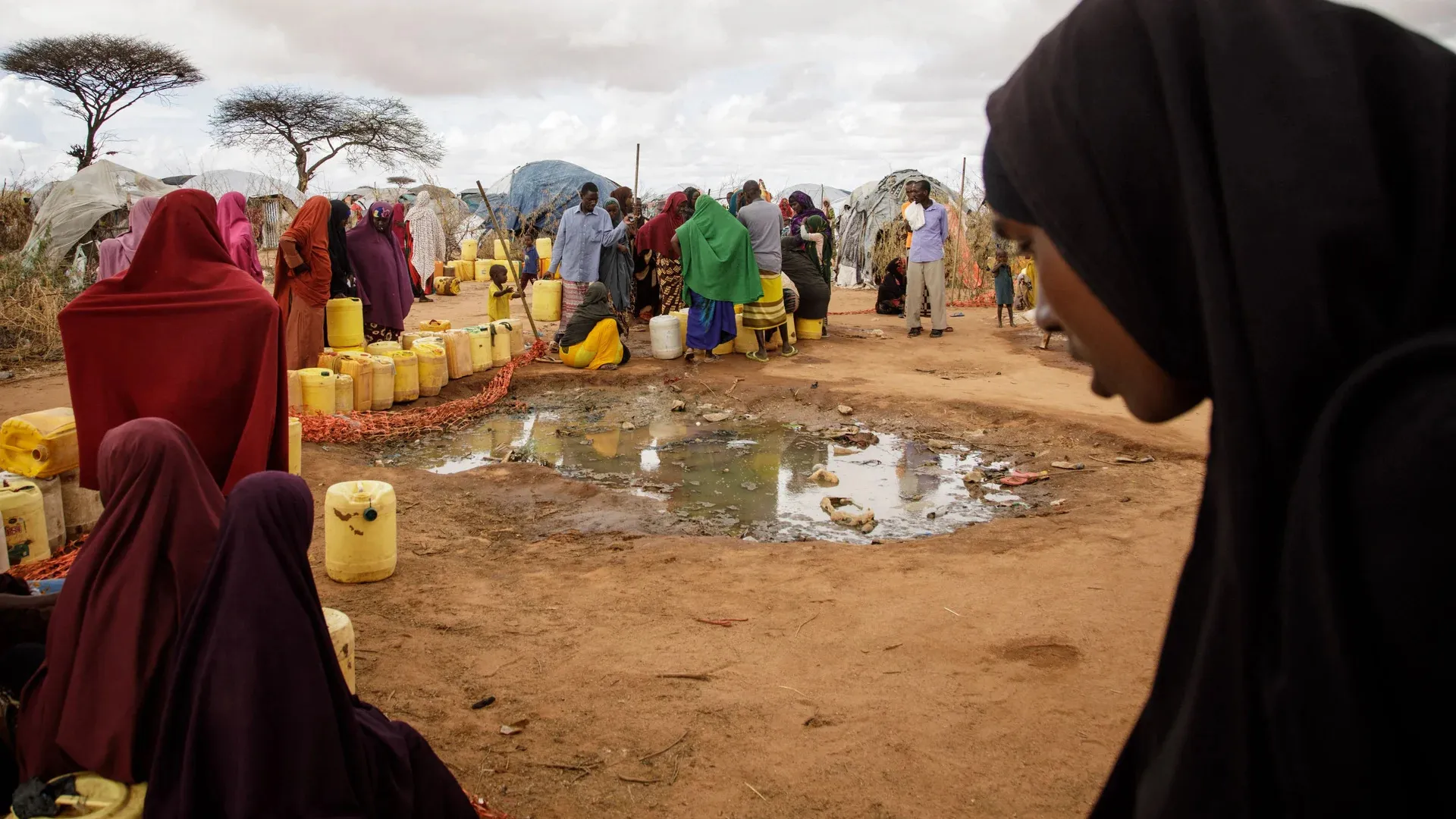
Humanitarian responses are also likely to be gravely affected by the pandemic in the IGAD region. There are numerous humanitarian activities in the region with millions of beneficiaries, especially refugees and internally displaced persons. The disruption of supply chains and movements of people and goods across borders as a result of various COVID-19 response measures such as cancelling of flights and lockdowns may compound humanitarian challenges as medical supplies and essentials may not reach target beneficiaries. Tens of refugee camps across IGAD countries, including Dadaab in Northern Kenya, are likely to be affected the most by this pandemic, and its attendant consequences. Fears are rife over the containment of the spread of the virus given that sanitation precautions would be difficult to implement, and even harder, ‘social distancing’.
- Terrorism surge
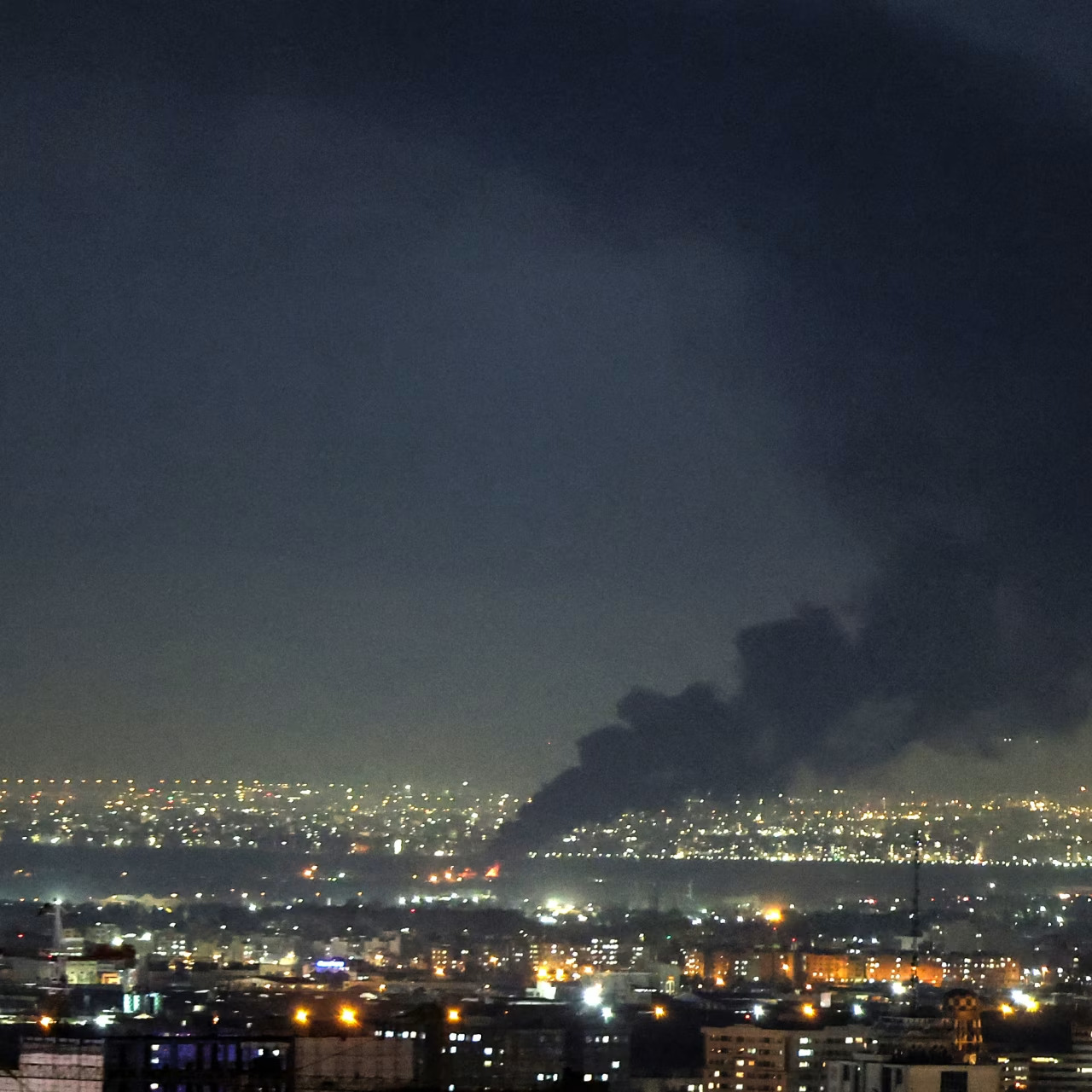
There is also a possibility that al Shabab could take advantage of the pandemic to escalate their activities in the region. Considering the contagious nature of the virus and measures taken by governments in the region, the terror group could spot the gaps in security and launch an offensive. Al Shabab could also use the panic surrounding the pandemic to incite violence and promote their ideologies. Although al Shabab has not yet made any statements about the virus, Islamic State of Iraq and the Levant (ISIS), have followed the pandemic since its emergence, and most recently, in their newsletter Al Naba, advocated for exploitation of financial difficulties and preoccupations by governments on protecting their countries to launch attacks.
- Elections
Being a big election year for Somalia and Ethiopia, the coronavirus was bound to delay the logistical preparations for elections. In late March, Ethiopia postponed the August election until the end of the pandemic given the COVID-19 response measures including banning of large gatherings and travel restrictions made it impossible for election-related logistics to continue such as voter registration and the recruitment and training of observers. On the other hand, in Somalia, the scheduled first ‘one person one vote’ election in five decades is in doubt despite a resolute opposition that is pushing for the election to take place as planned. Delays in the election could, in both countries, inflame ethnic tensions and possibly lead to violence, posing serious peace and security implications for the region.
- Disrupted diplomatic efforts
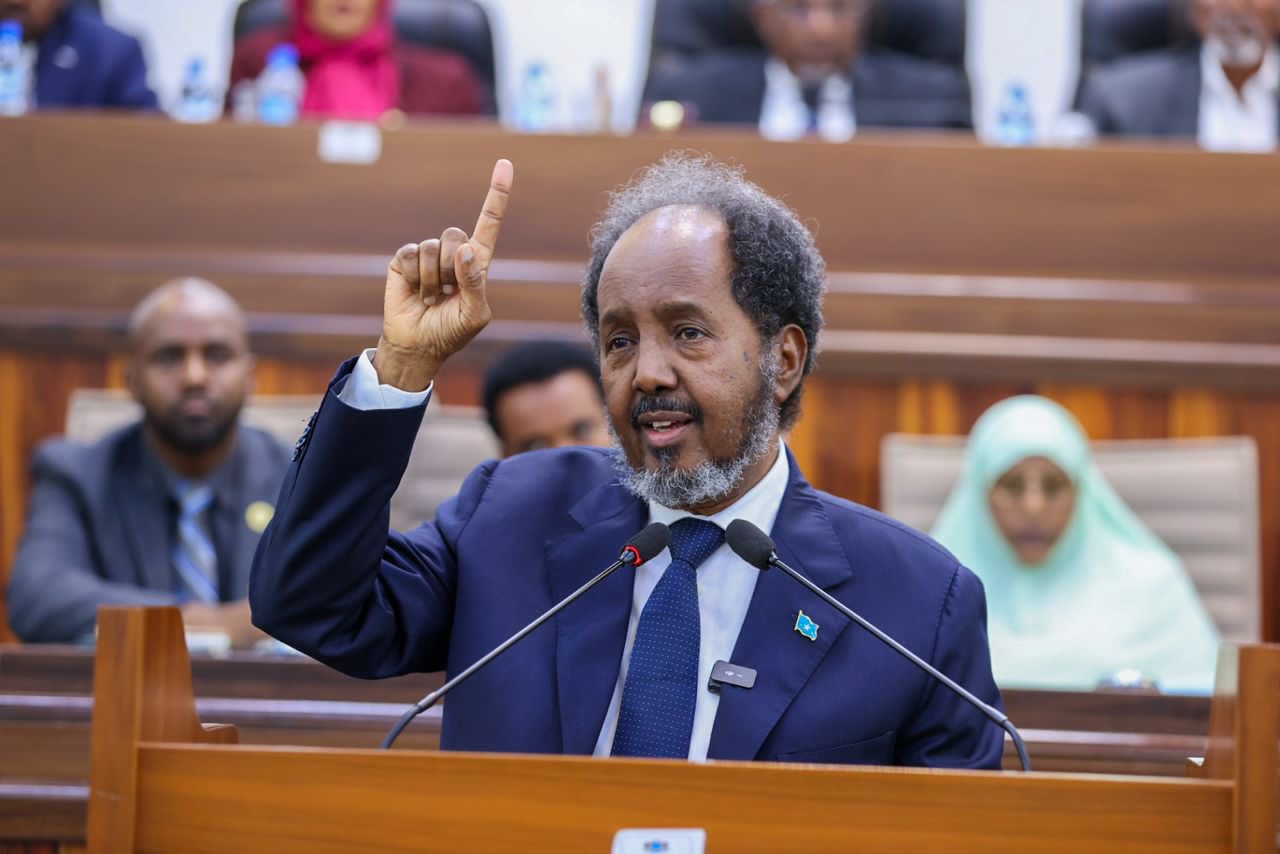
Diplomacy in the IGAD region is also bound to take a hit as a result of the pandemic. With various ongoing peace processes that are reliant on diplomatic efforts by different nations and actors, these are bound to be disrupted with all focus being redirected to COVID-19 response within these countries. A case in point is the postponement of a mid-March summit scheduled to take place in Nairobi between President Uhuru Kenyatta; Ethiopian PM Abiy Ahmed; and Somalia President Mohamed Abdullahi Farmaajo which was aimed at addressing the recent tensions between Kenya and Somalia. These disrupted diplomatic efforts present serious peace and conflict implications seeing that they could become complex in the time as they remain unaddressed.
Despite commendable efforts by countries to prevent and contain the spread of the virus, IGAD as a regional organization, needs to amplify efforts already in place and encourage the use of coordinated and cross-border responses to forestall grave scenarios being witnessed elsewhere in the world.
Jihan Korane is the IGAD Liaison Officer at the HORN Institute.
Photo: Passengers from an international flight are screened for their temperature at the International Airport in Sudan on 31 January, 2020 [ALEX MCBRIDE/AFP via Getty Images]