nergy and environmental politics in Africa are pivotal in shaping the continent’s future, particularly in the context of sustainable development and climate resilience. As one of Africa’s leading political figures, Raila Odinga’s candidacy for the African Union (AU) Commission underscores the importance of a unified approach to these pressing issues. Africa is endowed with vast natural resources; however, energy access remains a significant challenge. Approximately 600 million Africans lack electricity, and many rely on traditional biomass for their energy needs.
Of the three contenders for the AU Commission Chairmanship, only Raila Odinga has an extensive track record in both environment and energy sectors. Raila was Kenya’s Minister for Energy in 2001 – 2002 when he initiated the second wave of reforms which unleashed a robust regulatory framework, partial privatization of power generation through the creation of KenGen, and complementary entities which increased power supply and access, putting Kenya among countries with the largest electricity access. Kenya leads in electricity access across Eastern Africa.
On the environmental front, Raila Odinga has demonstrated consistency in the campaign for conservation and transition to renewable energy, advocating for policies that promote solar, wind, and hydropower development. In fact, Raila has borne personal sacrifices campaigning for environmental conservation. His efforts to conserve Kenya’s largest forest, Mau Summit, where he led efforts to evict private individuals, communities and factories which had encroached and grabbed land within the Mau Summit, cost him his presidential bid of 2013 and political relationship with then Kenyan President Mwai Kibaki. So, while to his AU Commission opponents the environment and energy are mere vision statements to tick the boxes, Raila brings forth solid credentials and long-held personal commitment. His vision aligns with the AU’s Agenda 2063, which focuses on sustainable development and environmental stewardship.
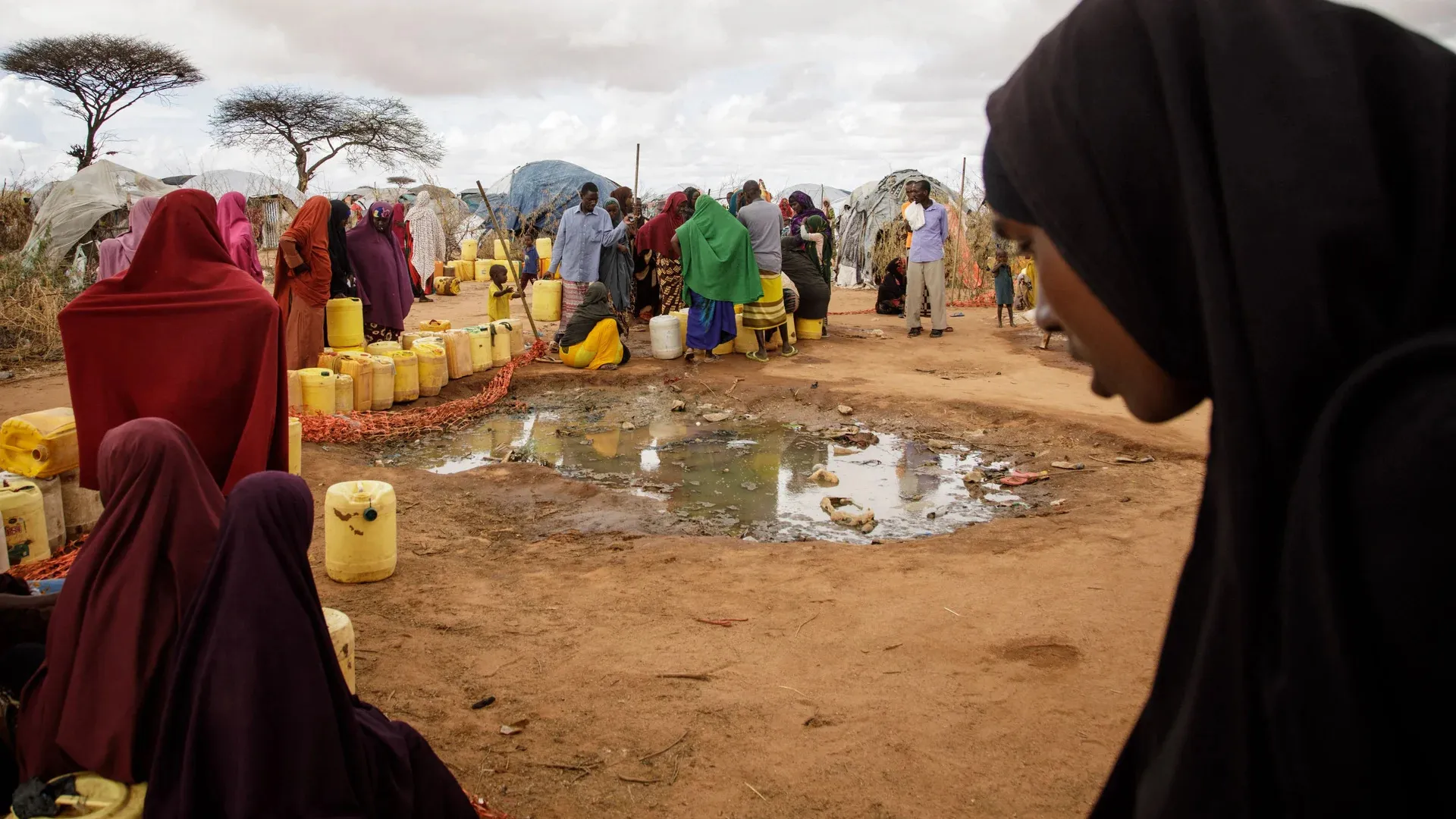
Odinga’s leadership can enhance Africa’s collective voice in international climate negotiations. The continent is disproportionately affected by climate change, with vulnerable communities facing increased risks of droughts and flooding. A coordinated effort from the AU that includes Odinga’s insights could lead to innovative strategies for climate adaptation and mitigation, bolstering resilience across nations.
Raila Odinga’s candidacy, therefore, represents not just a personal ambition but a larger call for integrating energy and environmental politics into the AU’s broader agenda. By prioritizing these areas, he could help drive policies that not only enhance energy security but also protect the environment for future generations, fostering sustainable development across the continent.In conclusion, Odinga’s potential leadership role at the AU Commission presents an opportunity to address the critical intersection of energy and environmental politics in Africa, catalyzing progress towards a more sustainable and resilient future.
With deep insights and expertise in the energy sector, Raila Odinga’s Chairmanship at the AU Commission will undoubtedly enhance energy policy. As Africa grapples with the dual challenges of energy poverty and climate change, Odinga’s leadership is poised to drive a transformative agenda that prioritizes sustainable energy solutions. Odinga’s extensive political background and commitment to pan-Africanism align well with the AU’s vision for integrated and sustainable development. Under his guidance, the Commission is expected to advocate for innovative policies that increase access to energy and promote renewable resources. These initiatives could foster economic growth, create jobs, and ensure a stable energy supply across member states.
Odinga’s strategic focus on collaboration among African nations and global partners is crucial. As energy markets become increasingly interconnected, his leadership can facilitate partnerships that harness shared resources and technology. This approach not only enhances energy security but also addresses the pressing need for climate resilience in the face of global warming. In fact, in his previous role as the AU Special Envoy for Infrastructure, Raila strongly promoted energy infrastructure projects across Africa and leveraged them for sustainable financing and partnerships including the USD 9 billion Grand Inga Dam Project on River Congo.
The following are thought to be Raila’s policy priorities in the energy sector reform in Africa;
a. Investment in Renewable Energy: Encouraging investments in renewable energy sources such as solar, wind, hydro, and geothermal power will help diversify the energy mix and reduce reliance on fossil fuels.
b. Energy Efficiency Standards: Encouraging the implementation of energy efficiency standards for appliances, buildings, and industries will help reduce energy consumption and lower overall demand.
c. Rural Electrification Programs: Implementing programs to expand access to electricity in rural areas will help bridge the energy gap and improve the quality of life for communities.
d. Regulatory Reforms: Implementing transparent and efficient regulatory frameworks will help attract investments in the energy sector and promote competition.
e. Capacity Building and Technology Transfer: Promoting capacity building and technology transfer initiatives will help build African expertise and accelerate the adoption of sustainable energy solutions.
f. Regional Cooperation around Energy: Encouraging regional cooperation and integration in the energy sector will help optimize resources, improve energy security, and facilitate cross-border energy trade.
g. Community Engagement: Involving local communities in energy planning and decision-making processes to ensure that energy projects are aligned with local needs and priorities.
By implementing these policies and initiatives, African countries can work towards achieving energy sufficiency and powering sustainable economic growth.
In conclusion, Raila Odinga’s chairmanship at the AU Commission presents a unique opportunity to reshape energy policies across Africa. By championing sustainable practices and fostering collaborative frameworks, he can significantly impact the continent’s energy landscape. The potential for improved energy access and a transition to greener solutions under his leadership heralds a brighter future for Africa’s development trajectory.
Bravin Onditi is a Research Assistant at The HORN Institute
Photo Credits: Africa Energy Forum