By Natalia Tsamalashvili
February 20, 2025
For over three decades, U.S. military involvement in Somalia has shifted from humanitarian intervention to a relentless airstrike campaign against militant groups. While these strikes disrupt terrorist operations, they also raise concerns about civilian casualties and long-term stability. As the U.S. escalates its air campaign once again, the question remains: does this strategy enhance security or perpetuate conflict?
Historical Context: The U.S. in Somalia
The U.S. first became deeply involved in Somalia in the early 1990s, most notably through United Nations Operations in Somalia I (UNOSOM I), which was established in April 1992 to monitor a ceasefire in Mogadishu following the collapse of the Somali state in 1991. However, the ceasefire failed, severely hampering humanitarian aid efforts amid a devastating famine. The crisis prompted the U.S. to lead a multinational force, the United Task Force (UNITAF), in December 1992 to provide security and facilitate relief operations. UNITAF was later replaced by UNOSOM II in March 1993, which expanded its mandate to include nation-building and forcible disarmament.
The mission faced strong resistance, particularly from the Somali National Alliance (SNA) led by General Mohamed Farah Aidid. U.S. forces carried out operations against the SNA, culminating in the disastrous October 3, 1993 raid in Mogadishu—famously known as “Black Hawk Down.” The heavy American casualties led to a shift in U.S. policy, prompting the Clinton administration to withdraw troops by 1994. The UN followed suit, exiting Somalia in 1995. After a decade-long disengagement, Somalia returned to U.S. strategic calculations post-9/11, as counterterrorism efforts targeted the rising influence of Al-Shabaab.
Under President Barack Obama, the U.S. expanded its drone warfare program, carrying out targeted strikes against Al-Shabaab operatives. Obama’s administration took a measured approach, with strict rules of engagement designed to minimize civilian casualties. However, these restrictions often frustrated military officials, who argued that they limited the effectiveness of counterterrorism operations. This restraint shifted dramatically under President Donald Trump.
Trump’s Counterterrorism Strategy: A Surge in Airstrikes
During Trump’s first term, the U.S. escalated military operations in Somalia, loosening restrictions on drone strikes and authorizing a record number of attacks. In 2017, the Trump administration officially classified parts of Somalia as active combat zones, granting the military greater flexibility to conduct airstrikes without high-level approval. This shift triggered a surge in U.S. airstrikes, with U.S. Africa Command (AFRICOM) carrying out over 200 strikes between 2017 and 2021, More than three times the total carried out by Presidents Biden, Obama, and Bush combined. Amnesty International has documented multiple cases in which civilians were killed or injured, raising concerns about potential violations of international humanitarian law.
Despite the intent to weaken Al-Shabaab and ISIS-Somalia while avoiding large-scale U.S. troop deployments, the effectiveness of this approach remains uncertain. According to the African Center for Strategic Studies, violent incidents involving Al-Shabaab increased by 17% after the withdrawal of U.S. troops in 2021. This reliance on airstrikes not only failed to eliminate the threat but also exacerbated security challenges and humanitarian concerns in the region. Moreover, the resurgence of Al-Shabaab and Somalia’s worsening security situation ultimately prompted President Joe Biden to send back 500 U.S. troops less than two years later.
Trump’s Second Term: A Return to Maximum Pressure?
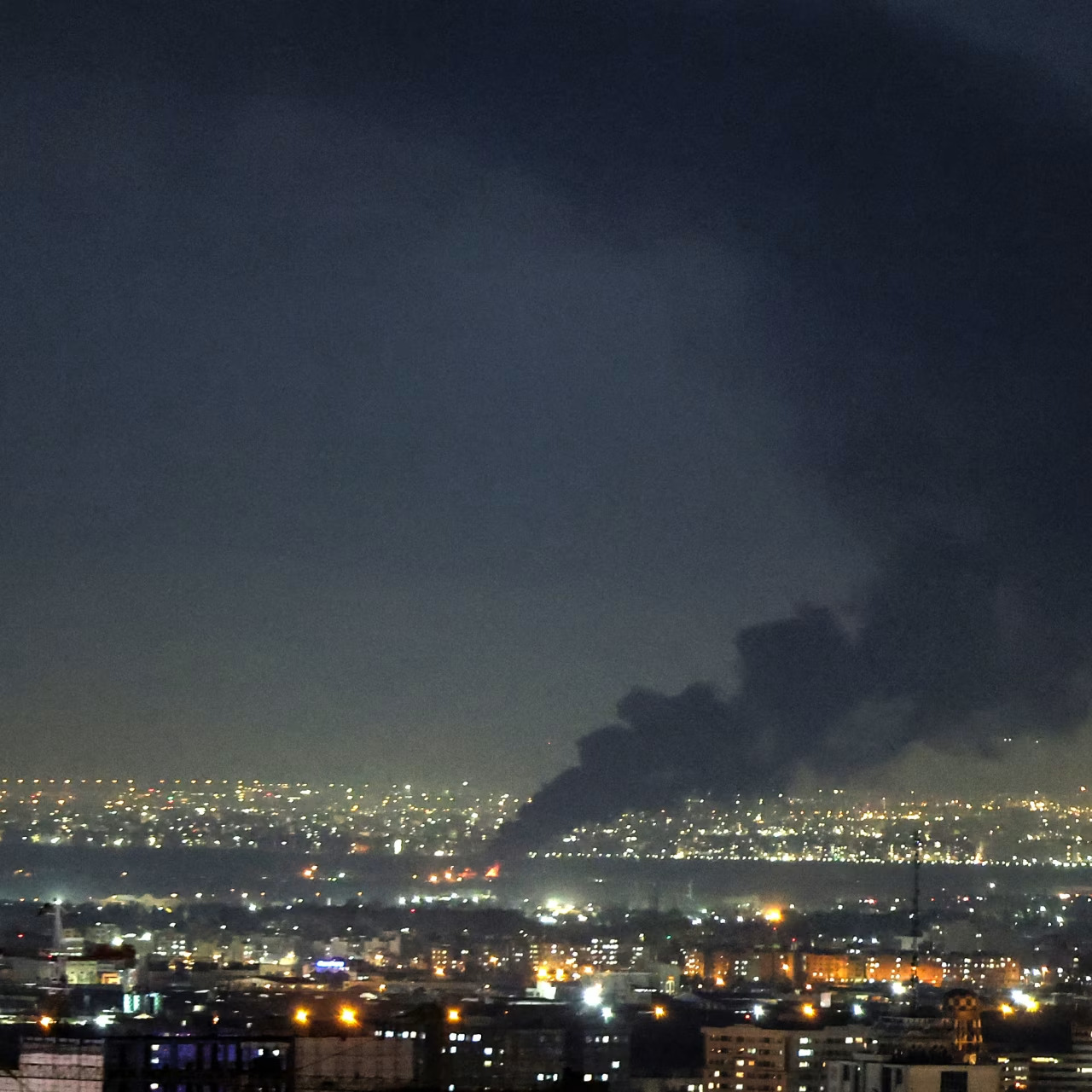
In his second term, President Donald Trump has intensified U.S. military operations in Somalia, particularly through increased drone strikes targeting terrorist organizations such as ISIS and Al-Shabaab. This approach marks a return to the more aggressive counterterrorism strategies characteristic of his first term, contrasting with the more restrained policies of the Biden administration. On February 1, 2025, U.S. airstrikes in northeastern Somalia targeted and killed Ahmed Maeleninine, a key recruiter and financier for ISIS, involved in deploying jihadists to the U.S. and Europe. This renewed military engagement reflects President Trump’s broader counterterrorism strategy, which prioritizes decisive action against terrorist groups to safeguard U.S. national security interests.
However, IS militants have continued their attacks, including recent suicide bombings targeting military bases in Puntland, a semi-autonomous region in northeastern Somalia. The Puntland government has called for increased international support to sustain and expand its operations against IS and other militant groups in the region.
Moving forward, the renewed U.S. military engagement in Somalia raises several pressing questions about its long-term impact on regional stability and humanitarian conditions. There are concerns that an intensified U.S. airstrike campaign may provoke further retaliatory attacks from terrorist groups, potentially escalating violence in a region already marred by conflict. Moreover, humanitarian organizations have voiced concerns that aggressive military tactics might lead to additional civilian casualties and displacement, undermining efforts to stabilize local communities.
The Limits of Military-First Strategies: Rethinking U.S. Policy in Somalia
Decades of U.S. intervention have failed to stabilize Somalia. While airstrikes disrupt militant operations, they have not eradicated Al-Shabaab, which continues to launch deadly attacks. The group has proven resilient, adapting its tactics and maintaining strong recruitment networks.
During Trump’s first term, the U.S. significantly escalated its military engagement, yet the results were limited. Despite airstrikes and counterterrorism funding, neither the U.S. nor its allies achieved meaningful progress in strengthening Somalia’s security or governance. American military aid has reinforced Mogadishu’s central government while neglecting Somalia’s decentralized political landscape. This top-down approach fuels tensions, fosters dependency, and distorts regional dynamics. With minimal transparency and accountability, U.S. oversight struggles to justify these operations, making them resemble warfighting rather than peacekeeping.
A military-first strategy has repeatedly failed to bring lasting stability to Somalia. Research suggests that sustainable conflict resolution is more likely achieved through political settlements rather than through military force. For instance, in Somaliland, international efforts that prioritized empowering Somali-led governance—such as the capacity-building initiatives under the Somali Diaspora Investment Program (SIDP) and participatory budgeting in the National Development Plan—helped establish more resilient local institutions and improved public service delivery. While challenges persist, these initiatives demonstrate that bolstering local security forces and promoting long-term economic development can foster stability and legitimacy more effectively than short-term militarized counterterrorism efforts.
Natalia Tsamalashvili is a Research Intern at The HORN Institute.
Photo Credits: AFRICOM