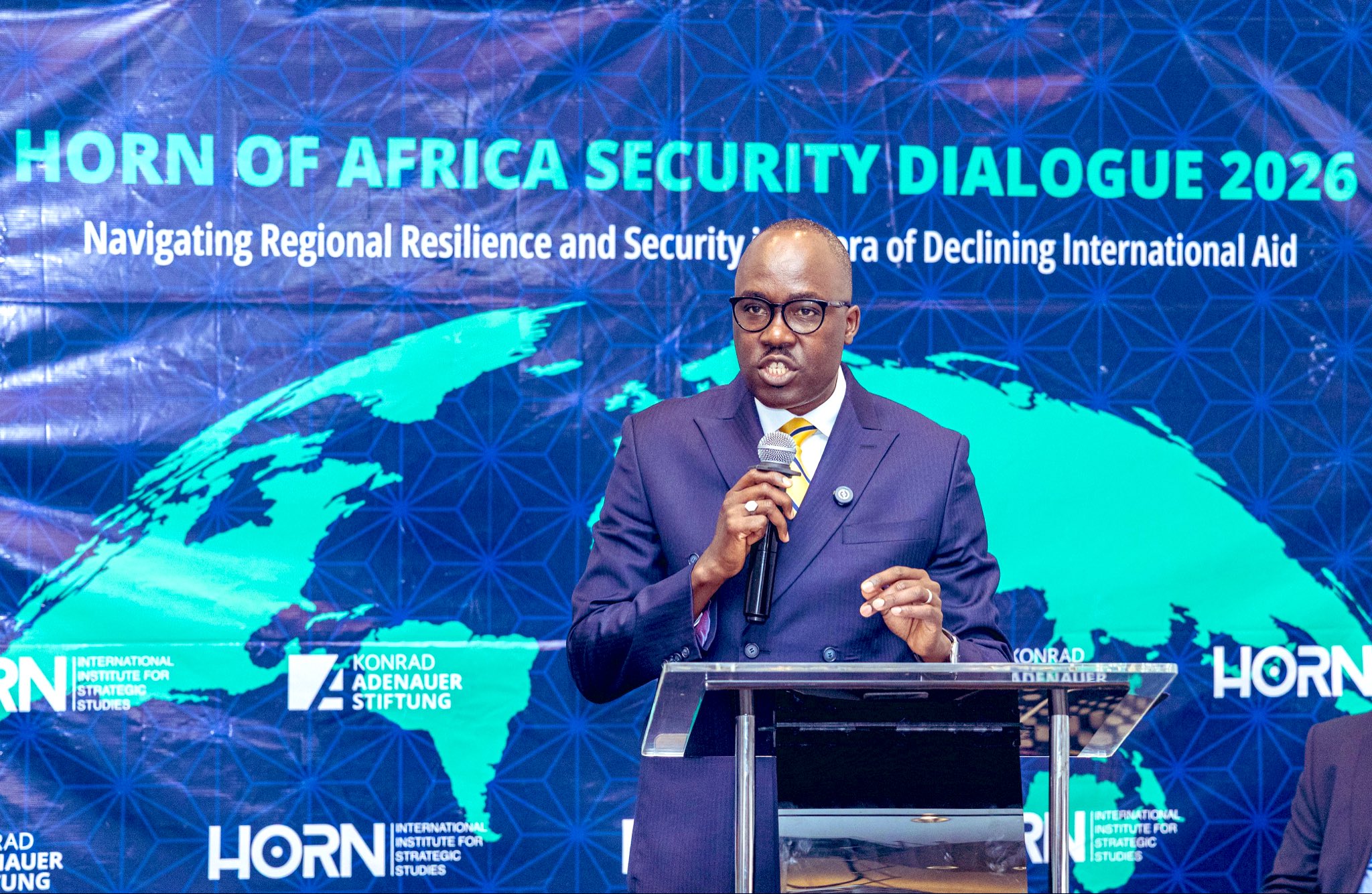
I visited Ethiopia last week for a conference. At the airport parking, most vehicles were hotel transport vans ferrying visitors, mostly delegates of various conferences in Addis Ababa. As the vehicle made its way to the hotel, I could not help but wonder at the transformation of the city to what is becoming a world class city. The world got to witness the “miracle of Addis Ababa” when videos of the Turkish President Recep Erdogan’s convoy in the city on February 17th this year, went viral on social media globally. While the world was marveling at Ethiopia, a third world country having a world class city, well planned with infrastructure better than most world cities in advanced economies, all I saw was China’s transformational effect in Ethiopia. China’s involvement in infrastructure goes beyond the capital to other cities in Ethiopia and other sectors that are transforming and modernizing the Ethiopian economy, and society.
China in Ethiopia
Over the past two decades, Ethiopia’s development trajectory has been closely intertwined with its expanding economic partnership with China. One of the most transformative projects has been the Addis Ababa–Djibouti Railway, Africa’s first electrified standard-gauge transnational railway. For a landlocked country that relies on Djibouti’s ports for roughly 90 percent of its import and export trade, this corridor has been economically pivotal. The railway has reduced freight transit times from several days by road to less than 20 hours by rail, significantly lowering transport costs and increasing efficiency. Faster cargo movement means quicker access to imported machinery and inputs for factories, as well as smoother export flows for coffee, textiles, and manufactured goods. By enhancing Ethiopia’s trade competitiveness, the railway has strengthened the country’s integration into regional and global markets.
The railway’s impact has not been limited to connectivity. During construction and subsequent operations, tens of thousands of jobs were created, and thousands of Ethiopian technicians and operators received specialized training. Over time, operational responsibilities have increasingly shifted to Ethiopian personnel, contributing to domestic capacity building in engineering, logistics, and railway management. This combination of infrastructure and skills transfer represents a long-term investment in national human capital.
Industrialization has been another central pillar of Ethiopia’s development strategy, and Chinese investment has played a major role in this transformation. Chinese firms are among the largest foreign investors in Ethiopia, investing over $8.4 billion particularly in manufacturing, construction, and industrial park development. Industrial parks such as the Eastern Industrial Park have attracted both Chinese and international manufacturers, creating large-scale employment opportunities. Across Ethiopia’s industrial park network, employment has reached into the hundreds of thousands, with women constituting a significant proportion of the workforce. For many young Ethiopians—especially in urban and peri-urban areas—these factories represent entry points into formal employment, regular wages, and skills acquisition.
These industrial developments have supported Ethiopia’s broader economic growth ambitions. Over much of the past decade, Ethiopia recorded some of the fastest growth rates in Africa, driven in part by infrastructure expansion and industrial output. Manufacturing exports, though still developing, have diversified the economy beyond its traditional reliance on agriculture. The presence of foreign direct investment has also facilitated technology transfer, managerial training, and exposure to global production standards.
Urban Infrastructure
Urban infrastructure improvements have further shaped living standards. The Addis Ababa Light Rail Transit system, constructed with Chinese financing and technical support, introduced modern mass transit to East Africa. While operational challenges remain, the system has provided affordable transportation to hundreds of thousands of commuters, reducing travel time and easing congestion in a rapidly growing capital. Improved road corridors and expressways have similarly enhanced mobility for businesses and households alike, cutting journey times and linking regional cities more efficiently.
China’s engagement has also extended to aviation and logistics infrastructure. Expansions at Addis Ababa Bole International Airport have strengthened Ethiopia’s role as a continental aviation hub, supporting passenger growth and cargo handling capacity. Improved airport facilities complement rail and road networks, positioning Ethiopia as a strategic gateway between Africa, the Middle East, Europe, and Asia.
Improvements in connectivity, employment, and industrial activity have broader implications for standards of living. Stable jobs provide households with regular income, enabling better access to education, healthcare, and consumer goods. Faster and more reliable transport reduces the cost of commodities and improves market access for farmers and traders. Enhanced logistics networks strengthen supply chains, making essential goods more consistently available.
The Bottom-line
While development partnerships inevitably involve complex considerations such as financing sustainability and long-term maintenance, the scale of tangible outcomes in Ethiopia is difficult to overlook. Large infrastructure projects have shortened distances within the country and between Ethiopia and the world. Industrial investments have opened pathways for employment and export growth. Urban modernization has reshaped service delivery and mobility.
Taken together, Chinese-supported projects have contributed meaningfully to Ethiopia’s evolving economic landscape. They form part of a broader national development strategy aimed at industrialization, connectivity, and modernization. As Ethiopia continues to pursue structural transformation, the measurable impacts of infrastructure, investment, and skills development remain central to its ambitions for sustained growth and improved quality of life.
Photo Credits: Reddit
Edmond Pamba is a Researcher at the HORN Institute.